
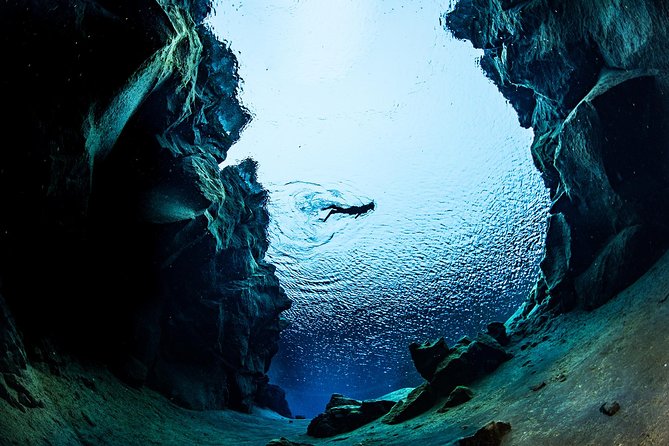
Reviewed · SILFRA SNORKELING TOURS
Silfra: Snorkeling Between Tectonic Plates – Meet on Location
Swimming between continents feels like sci-fi.
I love the once-in-a-lifetime angle of Silfra snorkeling, because you’re literally in the rift where two continental plates meet, yet the guides make it feel calm and doable. Guides like Boris and Hugo bring the tectonic-plate story to life before you get in the water, so it’s not just cold, it’s fascinating too.
What I also like is the way the tour protects your comfort from start to finish, with a heated changing van, real drysuit coaching, and a warm-up at the end with hot chocolate and cookies. The main drawback to consider is that it’s not a casual swim. You need to be able to swim, tolerate very cold conditions, and the drysuit can feel tight at first.
In This Review
- Key things to know before you book
- Why Silfra snorkeling feels like a science lesson with cold water
- Price and what makes it feel like good value
- Meet at the Silfra spot and expect a short, efficient pre-game
- Gear up correctly, or the cold will feel louder
- Thingvellir context: why the rift story matters once you’re in it
- The snorkeling route: Silfra Hall, then Cathedral, then Lagoon
- How cold is it, and what actually keeps you comfortable
- The warm-up after snorkeling feels like a reward, not an afterthought
- What photos cost, and how to handle cameras in Iceland cold
- Small-group feel: the difference between getting help and just getting through it
- Who should book, and who should skip
- Should you book Silfra snorkeling between tectonic plates?
Key things to know before you book
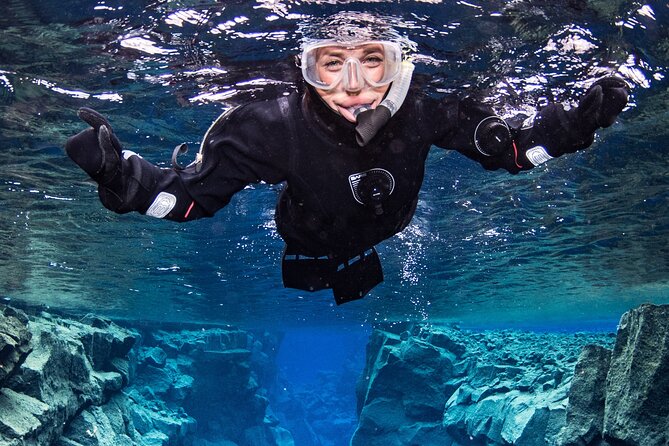
- Two plates, one swim: Silfra is where the Eurasia and North American plates separate underwater.
- Small groups for real attention: You go out with a maximum of 6 people, and the guide stays close.
- Warm prep, then a controlled snorkeling route: About 1 hour gearing up and briefing, then a short walk to the water.
- Silfra Hall, Cathedral, Lagoon in one tour: You get multiple stops, not just one quick pass.
- Your comfort kit is included: Drysuit, warm undersuit, snorkeling gear, heated changing van, hot cocoa, and cookies.
- Souvenir photos cost extra: They’re available to purchase.
More drifts between the continental plates:
- Silfra Snorkeling Between Continents Photos Included- Self Drive
★ 5.0 · 3,427 reviews - Silfra: Diving Between Tectonic Plates – Meet on Location
★ 5.0 · 2,139 reviews - Reykjavík: Silfra Fissure Snorkeling between Two Continents
★ 4.7 · 1,712 reviews
Why Silfra snorkeling feels like a science lesson with cold water
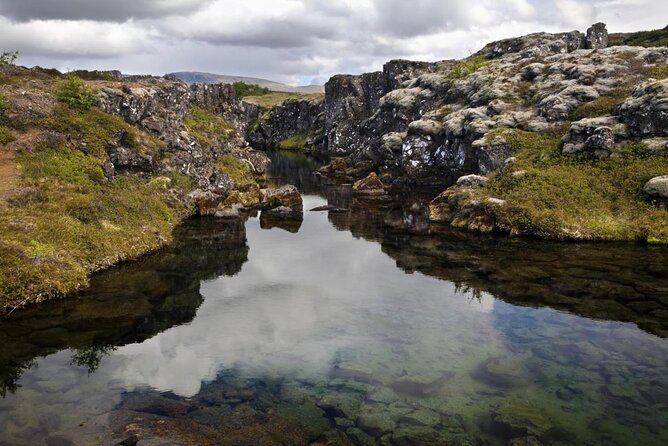
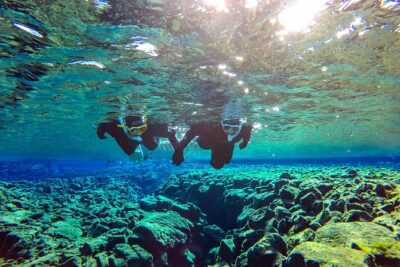
Silfra is not about fish. It’s about seeing the world in rock, depth, and color. The water in Silfra is famously clear, so the fissures and rock edges look sharp and close, even when you’re moving slowly through the rift.
The guides do a good job translating the tectonic-plate idea into something you can picture while you’re floating. That matters, because otherwise Silfra can feel like a gimmick. With the explanation, it turns into a story you can track through the underwater stops, Silfra Hall, Silfra Cathedral, and Silfra Lagoon.
One helpful reality check from what people learn on this tour: you can’t actually reach out and touch the Eurasia and North American plates from the reef edges. The walls you see are part of the rift zone, not the plates you can grab. Still, you are snorkeling between those plates, which is the whole point.
Price and what makes it feel like good value
The price is $154 per person for a tour that runs about 2 hours 30 minutes. If you compare it to doing the same day on your own, the math gets favorable fast because you’re not just paying for “access.” You’re paying for a full guided setup.
Here’s what you get that usually costs extra elsewhere:
- Entrance fee to Silfra (ISK 1,500)
- A guided snorkeling tour
- All necessary snorkeling equipment
- Drysuit and warm undersuit
- Hot chocolate and cookies
- Heated changing van
- A live guide who is also a PADI instructor
What’s not included is souvenir photos, which you can buy later if you want them. That’s normal for cold-water activities where cameras are tricky, especially if you’re trying to keep hands free for snorkeling gear.
Overall, the value is strong because the equipment, warmth, and coaching are built in. You’re not left to figure out drysuits on your own, which is a big deal in Iceland.
Meet at the Silfra spot and expect a short, efficient pre-game
Your day starts with meeting the guides about 15 minutes before the scheduled time. Then you’ll be grouped, with a maximum of 6 travelers per tour.
Plan on a lot of the experience happening on land before you ever step into the water. The briefing and gearing-up portion takes about 1 hour. The guide explains how to wear the drysuit and snorkeling equipment and how to manage warmth, safety, and comfort in glacial meltwater.
This is where the tour feels “organized without being stiff.” The staff helps you get the gear on, and you can change in a heated changing van. In other words, you don’t just get bundled up and sent off to freeze politely.
Gear up correctly, or the cold will feel louder
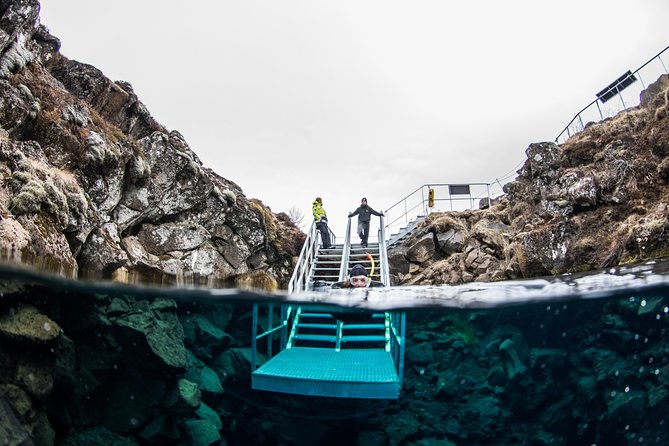
The drysuit goes over your own clothing. The tour strongly recommends you wear long thermal underwear and thick wool socks as a base layer. That base layer matters because it adds insulation where it counts, and it helps when the suit feels tight during the first minutes.
You’ll also get snorkeling equipment sized and checked so you can actually use it underwater. It’s worth paying attention during the mask-and-snorkel fitting. One of the most common small problems people report in cold water is a mask that doesn’t seal well, which can be distracting once you’re in.
The tour runs with live instruction from a PADI instructor, and guides generally stay close during the water portion. That reduces stress if you’re not used to snorkel gear for cold conditions.
If the forecast turns, these leave Reykjavik as well:
- Reykjavik: Golden Circle Full-Day Tour with Kerid Crater★ 4.8 · 24,485 reviews
- Reykjavik Food Walk – Local Foodie Adventure in Iceland★ 5.0 · 18,952 reviews
- From Reykjavik: Northern Lights Bus Tour with Hot Cocoa★ 4.3 · 13,947 reviews
- Reykjavík: South Coast Waterfalls, Black Sand & Glacier Tour★ 4.8 · 11,030 reviews
- Reykjavík: Whale Watching and Marine Life Cruise★ 4.6 · 9,838 reviews
Thingvellir context: why the rift story matters once you’re in it
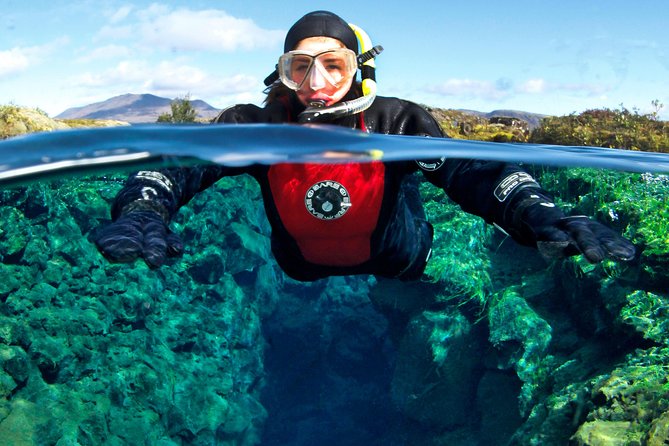
Your tour includes time connected to Thingvellir National Park and the tectonic-plate story. You’ll get a briefing about Silfra along with context about Thingvellir, the plates, and what continents mean in this setting.
This part is more than trivia. It helps you understand what you’re seeing when the underwater scenery looks like rock corridors instead of coral reefs. When you know what kind of rift you’re in and why the water sits in that crack between landmasses, the snorkeling route feels purposeful.
Also, it’s a nice pacing choice. You’re not sprinting from one location to the next. You’re given context first, then the water part feels like the payoff.
The snorkeling route: Silfra Hall, then Cathedral, then Lagoon
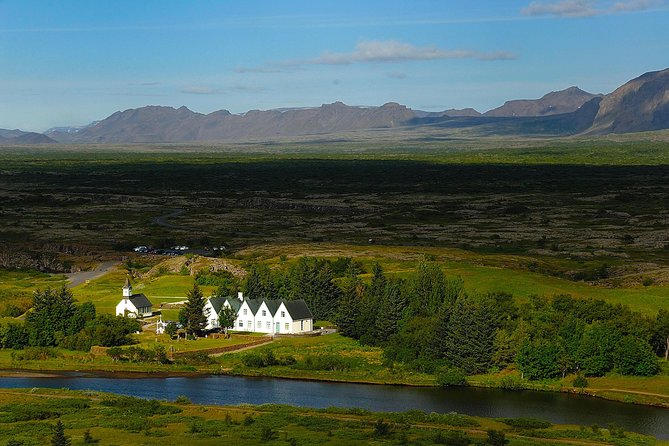
After gearing up, you walk about 5 minutes to Silfra. Then you settle into your 30 to 45 minute snorkeling tour.
Here’s what each underwater stop contributes:
- Silfra Hall: Think of it as the entry zone where the fissure environment becomes clear. The guide helps you get comfortable with buoyancy and movement, so you can focus on the rock edges and depth cues.
- Silfra Cathedral: This is where the underwater geometry can feel extra dramatic. People describe the views as mind-bending, mostly because the clarity makes the rock formations look close and sculpted.
- Silfra Lagoon: The route closes with another stretch of rift-water swimming that keeps the experience moving, without dragging you into a long, exhausting swim.
A common theme from the experience is that the suit does a lot of the work. You’re not relying on endurance. Most people find it manageable because the drysuit helps with buoyancy and warmth, while the guide manages safety and pacing.
One more important point: if you’re expecting sea life, adjust your mindset. You’re there for the rift and the rock. The reward is seeing that deep blue water, the fissures, and the stark underwater world.
How cold is it, and what actually keeps you comfortable
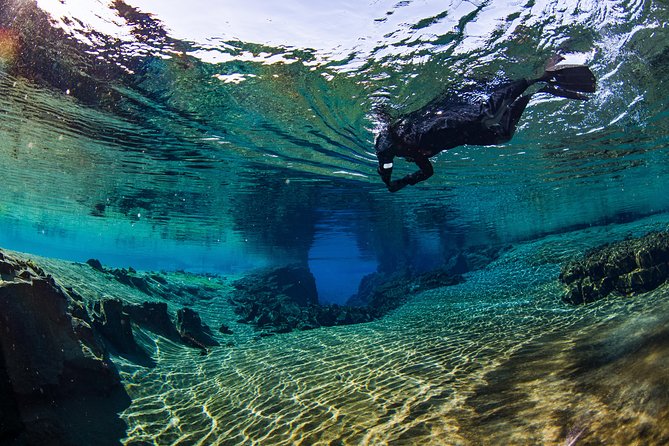
Cold is the headline for Silfra, but the tour is built around making it manageable. The drysuit plus warm undersuit is the main tool, and the guides coach you on how to layer and fit so you don’t waste heat.
What surprises people is the difference between getting ready and being in the water. Some folks feel the cold hardest right when they’re waiting in Iceland air. Once you’re sealed into the suit and floating, you often feel warmer than expected. That said, you should still treat it like a serious cold-water activity.
Here’s what you can do to stack the odds in your favor:
- Wear thick socks and long thermal underwear as recommended.
- Keep your drysuit correctly seated and zipped so it holds warmth.
- Be ready for the fact that not everything stays 100 percent dry, mainly your face and hands are the parts that get wet.
- Take the guide’s advice during fitting. If something feels wrong, fix it right away.
A helpful mindset trick: focus on the visuals and the tectonic story, not on timing every second. The guide keeps you safe and oriented, and you get warm cocoa and cookies after you finish.
The warm-up after snorkeling feels like a reward, not an afterthought
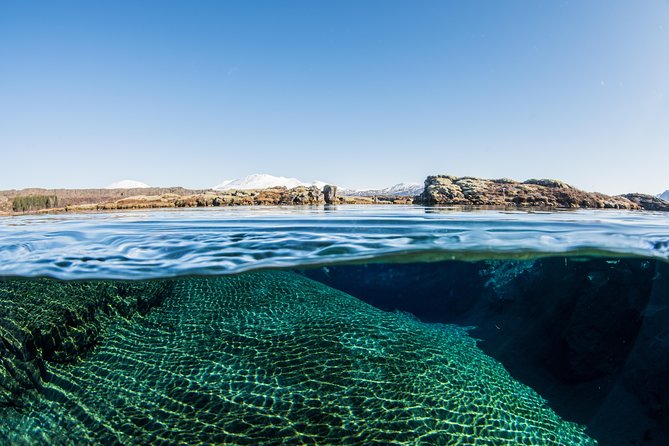
Once your time in the water ends, you return with everyone for a warm-up. The tour includes hot cocoa and cookies, and it’s not just a snack. It’s a decompression window where you can compare notes, ask questions, and warm up your hands and face.
This is also when you’ll get a chance to chat with your guide. Many guides use this time to explain more about the fissures and how Thingvellir fits into the larger plate story. If you were curious about something but couldn’t ask while gearing up, this is your moment.
Some guides also add a fun finish touch. People have described playful end-of-tour moments like a Viking-style baptism. You can’t count on the exact same ritual every time, but the vibe is generally friendly and light once the cold part is over.
What photos cost, and how to handle cameras in Iceland cold
You may want photos for the big visual memory. The tour includes souvenir photos as an extra purchase option.
If you plan to bring your own camera, be realistic. Extreme cold can mess with camera performance quickly, especially batteries and screen response. People often find that their camera stops cooperating faster than expected in those conditions. If you care a lot about images, consider relying on the tour’s photo option rather than expecting perfect DIY results.
Small-group feel: the difference between getting help and just getting through it
A maximum of 6 travelers changes the whole rhythm. You’re not moving like cattle through stations. The guide can adjust the pace, check each person’s comfort level, and manage gear issues quickly.
That matters because cold-water comfort is personal. Some people run warm. Others feel every second. In a small group, the guide can keep you close and calm if you look nervous, while still giving everyone time to take in the views.
In at least some cases, the group can be very small. That leads to a more personalized feel where the guide can spend extra attention on fitting and confidence.
Who should book, and who should skip
This tour is built for people who can handle cold water and want a guided, structured experience.
You’ll need:
- Comfort in water and the ability to swim
- Physical fitness and health to participate
- English communication ability
Age and body requirements are part of the safety system because drysuit fit matters:
- Minimum age: 12 years old
- Minimum height: 4 ft 11 in (150 cm)
- Minimum weight: 100 lbs (45 kg)
- Maximum height: 6 ft 7 in (200 cm)
- Maximum weight: 264 lbs (120 kg)
Medical and safety paperwork is required:
- Everyone fills out a medical form before participating, and it can be completed online
- Participants age 60 and older must have their doctor sign the approval form
Not suitable:
- Pregnant women
Also note that drysuits can feel tight or constricting. If you’re sensitive to that feeling, it’s worth considering how you typically react to tight gear and seals.
Should you book Silfra snorkeling between tectonic plates?
Book this if you want something truly different from typical Iceland sightseeing. Silfra is not about monuments. It’s about a physical, sensory experience that makes the geology real. The rift-water clarity and the underwater rock formations are the main draw, and the tour structure makes it achievable even if you’re not an experienced snorkeler.
Think twice if you hate cold water, don’t swim comfortably, or you’re not willing to do the prep and paperwork. The tour is safe and guided, but it still requires you to be physically up for glacial meltwater conditions and a drysuit.
One practical tip before you go: plan your layers carefully and bring the right socks. That small choice can make the difference between a tour you remember with joy and one you endure politely.
If you’re aiming for a top “Iceland story” with a strong value package, this is a standout pick. Just go in with the right expectations: no fish show, yes tectonic wonder, and a lot of clarity in that very cold water.
Just listed out of Reykjavik
Silfra Snorkeling Tours, compared.
Silfra Snorkeling Between Continents Photos Included- Self Drive
Read our review →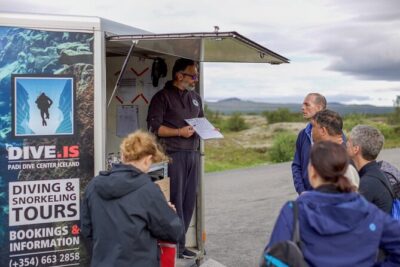
Silfra: Diving Between Tectonic Plates – Meet on Location
Read our review →
Silfra Fissure Snorkeling between Two Continents
Read our review →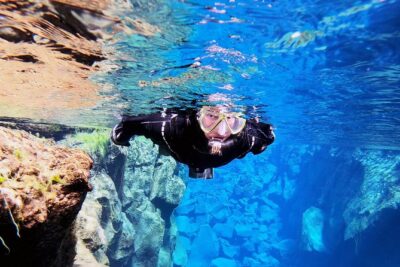
Silfra Drysuit Snorkeling with Free Photos – Meet on Location
Read our review →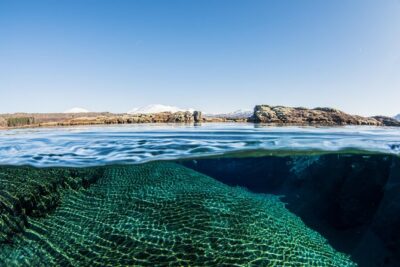
Silfra: Snorkeling Between Tectonic Plates Pick Up from Reykjavik
Read our review →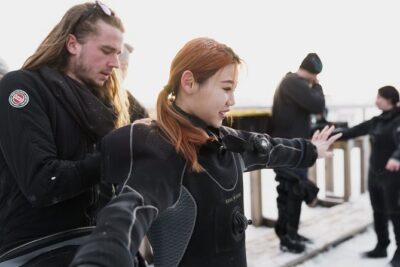
Silfra Drysuit Snorkeling Tour with Free Photos – From Reykjavik
Read our review →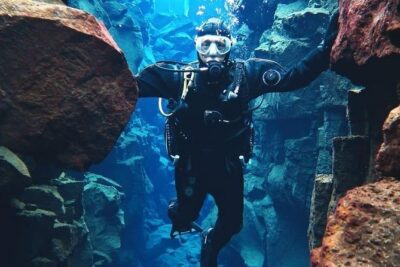
Silfra: Diving Between Tectonic Plates and Pick Up from Reykjavik
Read our review →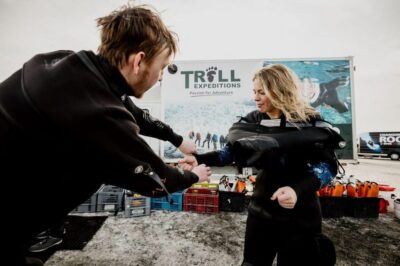
More days of this kind out of Reykjavík