
Reviewed · PUFFIN TOURS
Reykjavik: Whale and Puffin Watching RIB Boat Tour
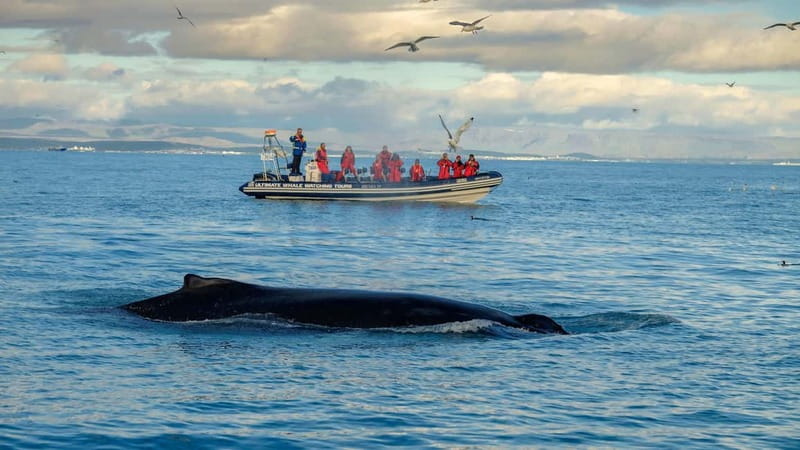
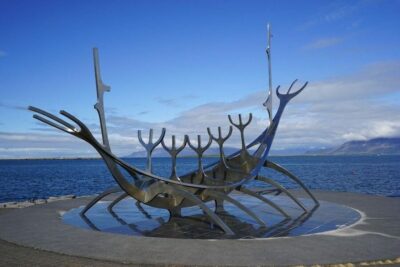
RIBs make whale watching feel personal. From Reykjavik’s Old Harbour, you get a fast, close-up search for whales and puffins, guided by a marine-focused crew, then you head back along the city shore past Harpa Concert Hall and the Sun Voyager sculpture. The one catch is simple, expect a bumpy ride and you will get wet.
I love how the tour leans into wildlife knowledge, with guides and marine specialists like Max, Maya, Kylie, and Emily bringing real explanations about what you’re seeing. You also get the practical win of a small group and a maneuverable boat, with many sightings reported from a spot closer to the action than bigger vessels. That closeness comes with real motion, so if you hate rough water, think twice.
If you can handle wind, cold spray, and the feeling of speed, this is an excellent use of a short Reykjavik window. It’s built for seeing animals in their natural environment, not for sitting quietly. Also note the boat has no toilets, so plan your timing before you meet at the old harbour.
In This Review
- Key things I’d plan around on this Reykjavik whale and puffin RIB tour
- From Old Harbour to Harpa: the part of Reykjavik you see from the water
- The whale and puffin season window that actually affects your odds
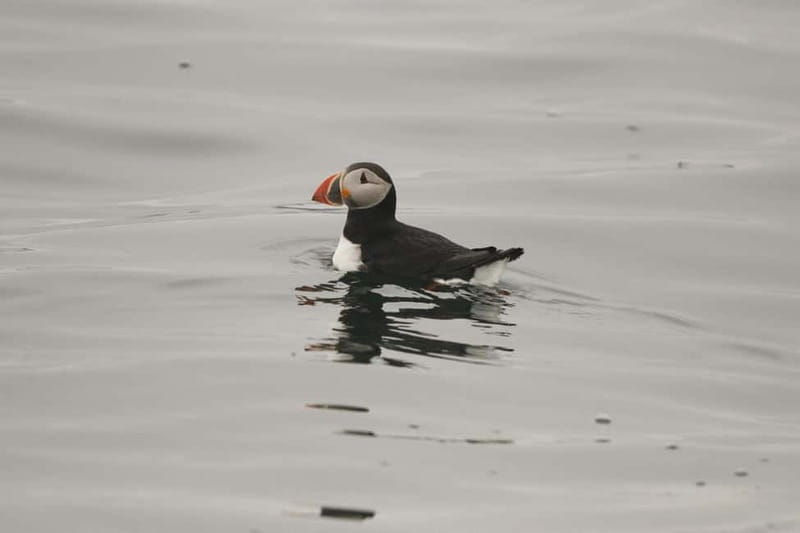
- Puffin island time: what you should look for during the island leg
- The whale search phase: why the RIB gets you closer
- Marine biologist guides: how commentary makes the hunt better
- Expect wet, windy, and bouncy: how to stay comfortable on a RIB
- Group size, timing, and what a 2-hour tour really buys you
- Who this tour fits best, and who should skip the RIB
- Price and value: is $200 per person worth it?
- FAQ
- FAQ
- How long is the Reykjavik whale and puffin RIB boat tour?
- Where do I meet for the tour?
- What is included in the tour price?
- Are puffins guaranteed?
- What should I bring?
- Is there food or a toilet on board?
- What age and size limits apply?
- Should you book this RIB whale and puffin tour from Reykjavik?
Key things I’d plan around on this Reykjavik whale and puffin RIB tour
- Small group limit of 12, so you get more attention during the search
- Marine biologist and trained guide commentary, with guides like Max and Maya calling out behavior and habitat
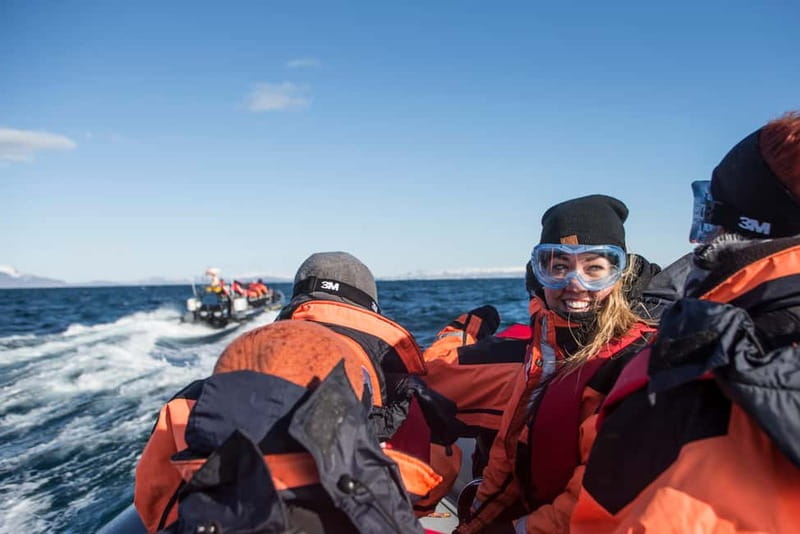
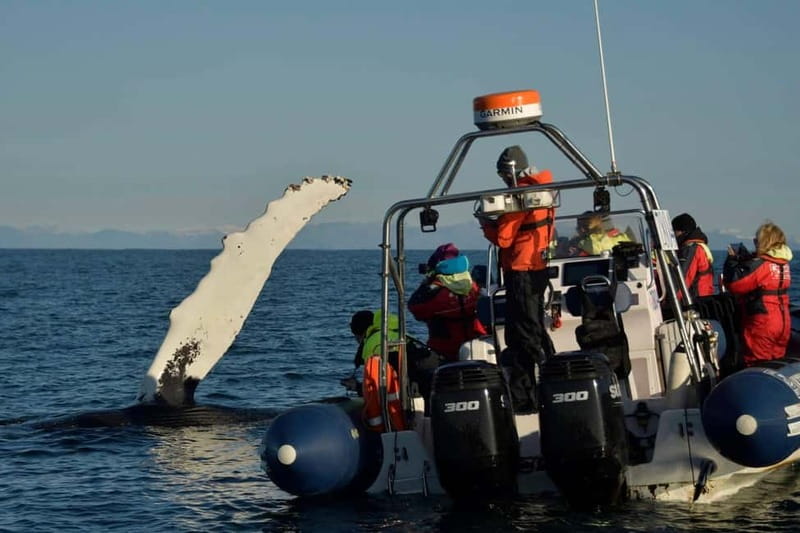
- Warm overalls, gloves, and goggles included, which matters because you will get splashed
- Puffin viewing on islands in season, with the best odds in late April through mid to late August
- RIB maneuverability for whale and dolphin searches, giving you closer viewpoints when animals show up
More puffin boats out of Reykjavik:
- Reykjavik: Puffin Watching Boat Tour
★ 4.6 · 1,052 reviews - Puffin Cruise with Expert Tour Guide from Reykjavik
★ 4.5 · 636 reviews - Reykjavik: Whales and Puffins Express Cruise Combo Tour
★ 4.4 · 552 reviews
From Old Harbour to Harpa: the part of Reykjavik you see from the water
Your outing starts in Reykjavik’s Old Harbour at the ticket office, and you’ll want to arrive early enough to check in well before departure. Once you’re geared up, the first minutes matter. You’ll feel the speed quickly, and you’ll likely notice how quickly wind and spray can change your comfort level.
This is where the city sightseeing quietly sneaks in. You sail past Harpa Concert Hall and the iconic Sun Voyager sculpture on the way back, so even if the wildlife hunt takes longer than you hoped, you still get a memorable water-level Reykjavik view. Harpa in particular looks different from the bay than it does from the sidewalks, and the light off the water makes the whole scene feel like a moving postcard.
The vibe is not calm sightseeing. It’s active whale watching, which is the point. The RIB is designed to move and reposition in a wide search area so you’re not stuck waiting in one spot.
The whale and puffin season window that actually affects your odds
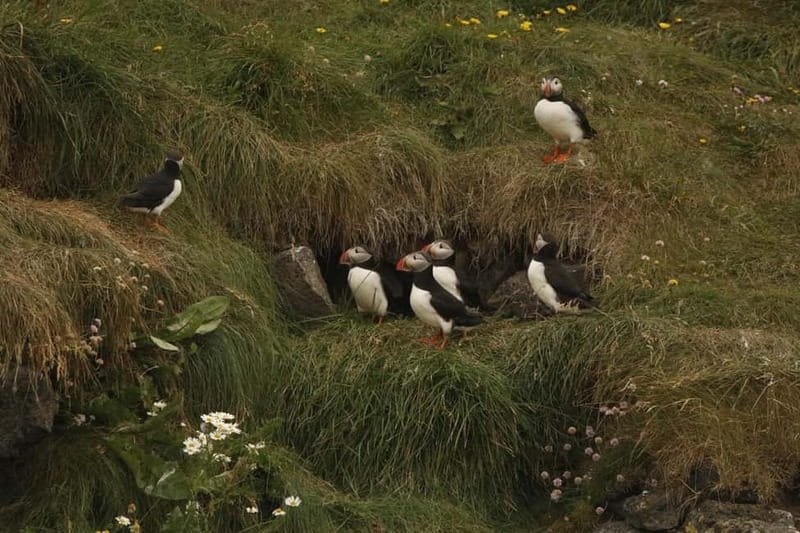
Whales and puffins are seasonal here, so your timing shapes what you can realistically expect. The tour runs from 1 April to 31 October. Puffins have a core season in the late April to August range, often described as 20 April through mid to late August, depending on conditions.
Here’s the practical takeaway. If you go in early summer, your chances for puffins are usually stronger because the birds are actively present around the islands. If you go late in the season, you might still see some seabirds and possibly puffins depending on where they are, but you should treat puffin sightings as less predictable than earlier in the window.
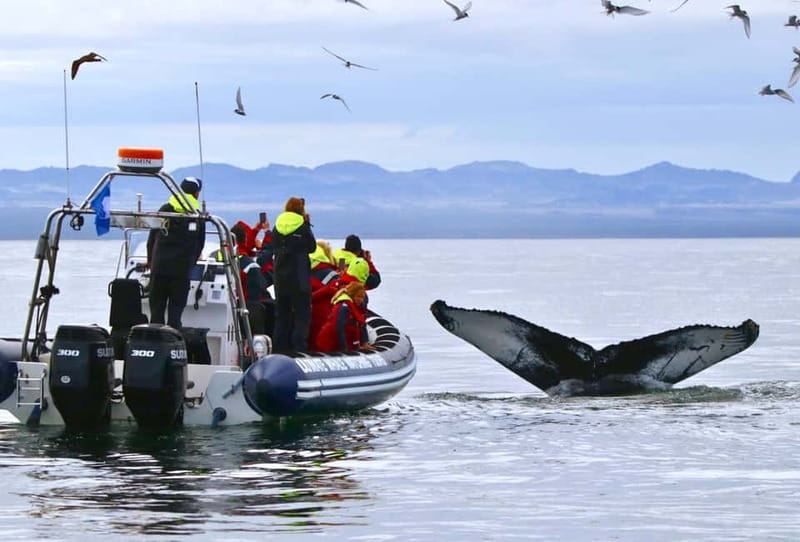
As for whales, sightings vary day to day. Some outings turn into nonstop spotting, with multiple pods and even close interactions under the boat. Other days can mean fewer whale moments, or only a whale surfacing briefly. The good news is that the boat type gives the crew more options. They can search efficiently and move when animals show up where you can see them.
Puffin island time: what you should look for during the island leg
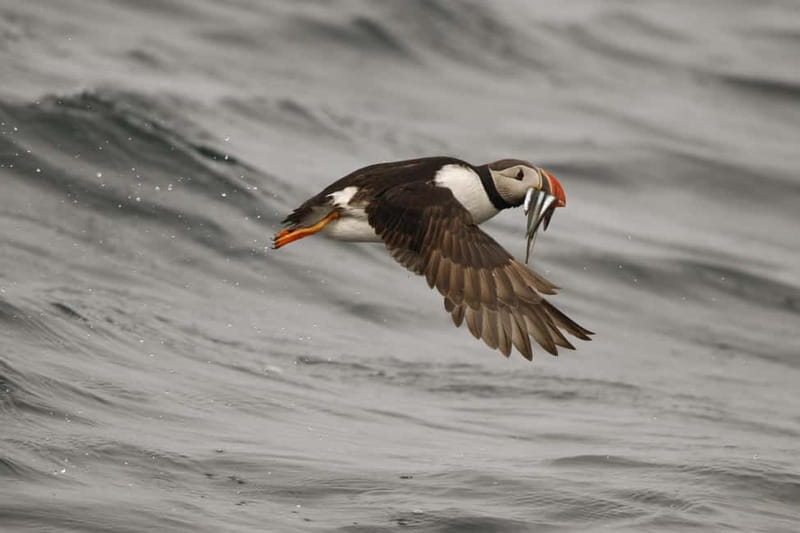
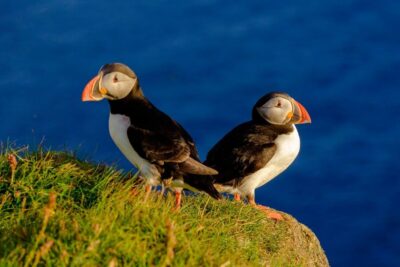
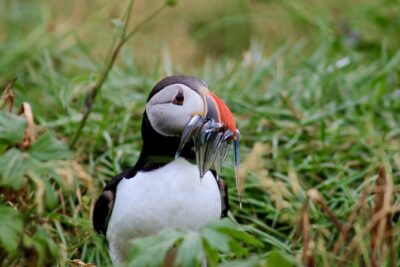
A key part of the plan is getting out to islands for puffins in their natural surroundings. This is where the tour earns its name. You don’t just scan open water and hope for the best. You go to where puffins actually are, so you can focus on what matters once you’re there.
What you’re looking for is motion and movement along the cliffs and nearshore areas. Puffins are small, and on a windy day you might find spotting them takes a few minutes of patience. That’s where the trained guidance helps. Many riders leave remembering more than one puffin moment, like repeated passes of birds or a clear view of nesting activity when conditions cooperate.
One honest consideration. If you’re toward the end of puffin season, you may see fewer, or none at all, even if the crew works hard. That can happen because you’re still sharing the ocean with wildlife that follows food and weather patterns.
The whale search phase: why the RIB gets you closer
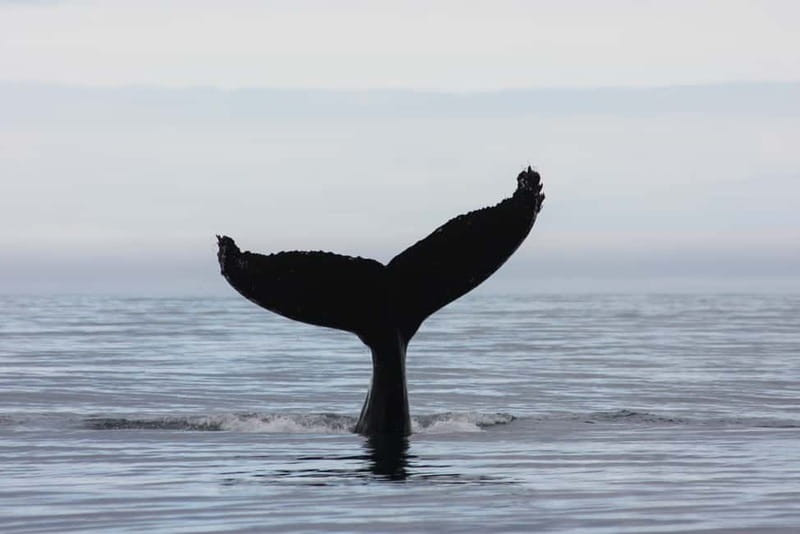
After the puffin stop, the tour goes farther out in search of whales and dolphins. This is where the RIB design pays off for you.
A RIB can:
- maneuver into tighter areas,
- reposition quickly when sightings pop up,
- and search a wide region without feeling like you’re waiting on one slow route.
That matters because whales and dolphins do not stay put. They surface, feed, and move through open water. The faster and more flexible the boat, the better your odds of getting more than one brief look.
Some of the most praised moments in this kind of tour include:
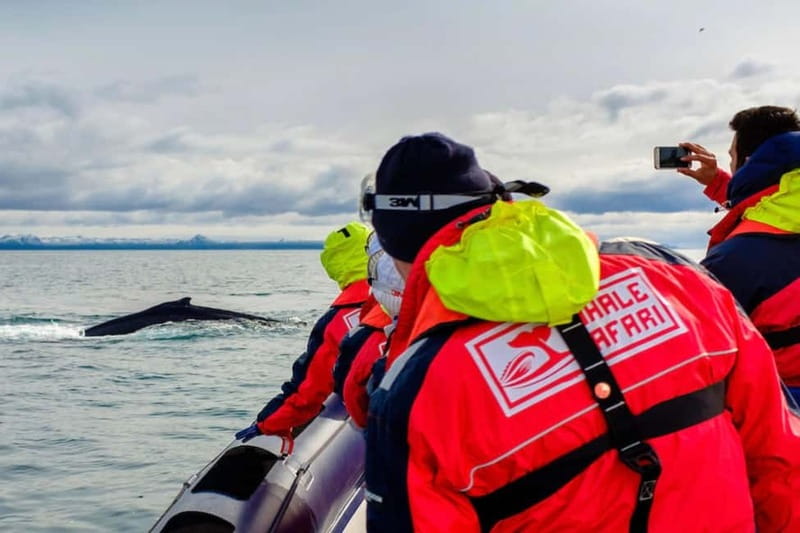
- whales surfacing close enough for clear views,
- pods turning and changing direction near the boat,
- and dolphins racing or riding the energy around you.
Safety and distance are part of the equation too. The crew is trained to approach with respect, and you should expect them to prioritize safe viewing rather than risky chasing. When whales are close, you’ll feel the excitement immediately, but it still stays guided and controlled.
If you’re the type who enjoys seeing behavior, not just shapes, watch for patterns. Whales often show up in cycles, and the guide can help you understand why the boat is changing speed or angle.
Other sailings out of Reykjavik:
- Reykjavík: Whale Watching and Marine Life Cruise★ 4.6 · 9,838 reviews
- Reykjavík: Whale Watching Cruise on the Amelia Rose Yacht★ 4.5 · 2,911 reviews
- Reykjavik: Northern Lights Yacht Tour★ 4.4 · 1,253 reviews
- Reykjavik: Whale Watching and Dolphin Watching Yacht Cruise★ 4.5 · 707 reviews
- Whale Watching Cruise on a Yacht in Reykjavik★ 4.5 · 684 reviews
Marine biologist guides: how commentary makes the hunt better
This is the part I value most, because it turns wildlife spotting into real understanding. Multiple guides tied to this tour experience show up in rider feedback, including marine specialist Max, guide Maya, and captains and guides like Alex, Sam, Kylie, Matt, and Emily. Different names, same role: read the water and explain what you’re seeing.
You’ll usually get commentary on:
- how whales and puffins feed,
- what behaviors mean when animals surface,
- and how the local geography affects where you’re likely to spot wildlife.
It’s not just facts. It helps you look better. When you know what to watch for, you stop scanning randomly and start spotting patterns. It also makes the chase feel purposeful instead of stressful.
A bonus that comes up again and again is photos. The crew takes pictures during the tour, and you can access the images afterward. That matters because a bouncy RIB is not always friendly for camera work. Even riders who bring gear say the ride can limit sharp photos, so getting the crew’s captures is a real value add.
Expect wet, windy, and bouncy: how to stay comfortable on a RIB
Let’s talk reality. You’re going fast on open water. Several riders directly mention that you should plan to get wet and that the boat can be rough, especially in windier conditions. The front of the boat can feel choppier, and photos can be harder when you’re riding through waves.
The good news is that gear is included, not optional. You get warm overalls, gloves, and goggles. Many riders also note extra items like full-body all-weather suits, eye protection, and neck gators, which all reduce the wind chill effect.
Comfort tips that consistently help:
- Wear warm layers under the overalls. Even in summer, wind on water can cut fast.
- Use hiking shoes. The tour instructions call for them, and you’ll want good grip on a wet boat.
- Bring sunglasses if you can. Wind can make it hard to see, and the goggles help, but personal sunglasses can still be useful.
- Listen to instructions about seating and how to brace when waves hit. Riders report that getting in the right posture makes the ride easier.
One detail that surprised me while reading this experience feedback is that some seats have spring absorption to take the bumps from waves. It won’t turn the ride into a lake cruise, but it can reduce fatigue during those constant wave hits.
If you’re prone to motion sickness, you might still be okay, and many riders say they felt no worry about it. But be honest with yourself. If you know rough water bothers you, consider a different style of whale watching.
Group size, timing, and what a 2-hour tour really buys you
This tour lasts 2 hours. That short window is not a flaw. It’s a strategy. With a whale and puffin search, you don’t want to spend a big chunk of time sitting still. The structure keeps the hunt moving and increases the number of repositioning attempts in a limited timeframe.
The group is also capped at 12 participants, which keeps the experience from feeling crowded. In a small group, guides can check on you, spot who needs extra help with gear, and adjust the viewing rhythm based on how people are doing in the wind.
Timing also matters for your day. You’ll start with a gear-up moment and safety briefing, then move into wildlife searching and city views. Since food is not provided and there are no toilets on board, I recommend eating a normal meal before you head to the old harbour and staying mindful about timing.
Who this tour fits best, and who should skip the RIB
This is a high-adrenaline format, and it has clear limits. It’s not suitable for:
- children under 10 years,
- people under 145 cm tall,
- pregnant women,
- people with mobility impairments,
- people over 75 years,
- and people over 140 kg.
The boat ride also requires you to sign a waiver. You’ll want to be comfortable standing or shifting your weight in wet conditions for brief moments.
Best match for you if:
- you want close whale and dolphin viewing rather than distant scanning,
- you don’t mind wind and getting wet,
- and you enjoy active, guided nature time instead of passive sightseeing.
If you’re traveling with kids who meet the age and height rules, you can still have a great time because the RIB gives frequent opportunities to change viewpoint. But if your group includes someone who struggles with rough motion, this is the point where it may be worth paying for a calmer option.
Price and value: is $200 per person worth it?
At $200 per person for a 2-hour outing, you’re paying for three things:
- a specialized boat built for maneuvering,
- warm safety gear and certified operation,
- expert wildlife guidance and on-water searching, not just a scenic cruise.
The main value question is sightings. This tour can deliver multiple whale moments and lots of dolphins, with puffins depending on season and where the crew finds them that day. Some riders describe spectacular outcomes, including whales surfacing close and pod behavior near the boat. Others may see fewer whales or miss puffins at the end of the season, because wildlife does what wildlife does.
So how do you decide? I think it’s worth it when you:
- are serious about whale watching,
- want the close-up feel of a RIB,
- and can handle discomfort like cold spray and wind.
If you’re mainly chasing a puffin photo for a quick checklist, a shorter or calmer alternative might feel more comfortable. But if you want to feel like you’re hunting the ocean in a respectful way, this format is one of the strongest value plays in Reykjavik.
FAQ
FAQ
How long is the Reykjavik whale and puffin RIB boat tour?
It lasts 2 hours.
Where do I meet for the tour?
Meet at the ticket office at Reykjavík’s Old Harbour no later than 30 minutes before the scheduled departure.
What is included in the tour price?
The tour includes a specially trained whale-watching guide, a fully certified RIB boat captain, warm overalls, gloves, and goggles, safety equipment, and the 2-hour whale and puffin watching portion.
Are puffins guaranteed?
No. Puffins are seasonal in the late April through August range, and sightings depend on conditions.
What should I bring?
Bring hiking shoes, weather-appropriate clothing, and a signed waiver.
Is there food or a toilet on board?
There are no toilets on board, and food is not included.
What age and size limits apply?
Minimum age is 10 years, minimum height is 145 cm, and the maximum weight limit is 140 kg.
Should you book this RIB whale and puffin tour from Reykjavik?
If you can handle cold wind, bouncy water, and a fast ride, I think this is a strong book. You’re paying for a boat built to search and reposition, plus marine-focused guidance and gear that keeps you in the hunt. The Harpa and Sun Voyager pass on the return route is a nice extra, because you get Reykjavik in motion, not just in photos.
Skip it if rough water would ruin your day, or if you fall into the stated limits like pregnancy, mobility needs, or the age and height restrictions. If you’re flexible with your expectations on wildlife, especially puffins late in season, this tour is one of the most exciting ways to experience Iceland’s coast and its real wild guests.
Whale Boats From the Old Harbour
- The Original Classic Whale Watching from Reykjavik
★ 4.5 · 2,626 reviews - Reykjavik: Whale Watching Tour with Expert Guide
★ 4.3 · 2,422 reviews - Reykjavik: the Original 3-Hour Whale Watching Tour
★ 4.5 · 908 reviews - Whale Watching Tour with Professional Guide from Reykjavik
★ 4.5 · 744 reviews
Just listed out of Reykjavik



Puffin Tours, compared.

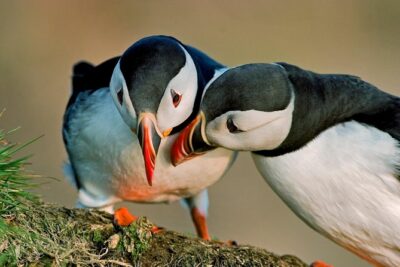
Puffin Cruise with Expert Tour Guide from Reykjavik
Read our review →
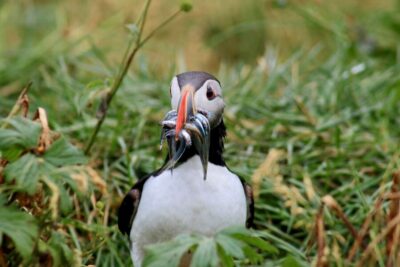
Classic Puffin Watching Cruise from Downtown Reykjavík
Read our review →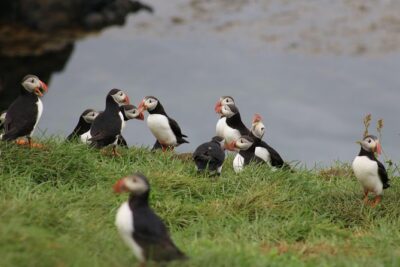
Premium Small-Group Puffin & Bird Watching tour from Reykjavík
Read our review →
More days of this kind out of Reykjavík