
Reviewed · MUSEUMS
Reykjavík: National Museum of Iceland Entry Ticket
A good museum in Reykjavik tells you what Iceland is, fast. The National Museum of Iceland does that by walking you through the Settlement Age into modern daily life, using real objects instead of hand-wavy storytelling. I like that it uses a clear big question, What makes a nation?, to keep the exhibits from feeling random.
What I love most is the Viking-era artifacts (including the famous Thor figure dated from year 1000) and the sheer scale of the collection, about 2,000 artifacts spanning centuries. One possible drawback: the exhibits are spread through multiple rooms, so if you want strict chronological flow, you may need to slow down and follow the numbering closely.
In This Review
- Key Highlights
- Entering the National Museum of Iceland in Reykjavik
- The museum’s big idea: What makes a nation?
- What you’ll see across the centuries, from settlement to today
- The standout artifacts: Thor around year 1000 and more
- Temporary exhibitions, and why they’re worth checking
- How to use the audio guide without losing your bearings
- How long you need for the National Museum of Iceland
- Pairing it with other Reykjavik history stops
- Practicalities that matter on the ground
- Bags and what you can bring
- Mobility
- Tickets and validity
- What’s included, and what isn’t
- Who should book this museum ticket?
- Price and value: Is $20 a good deal?
- Should you book the National Museum of Iceland ticket?
- FAQ
- Where do I show my ticket?
- What’s included with the entry ticket?
- Which languages are available for the audio guide?
- Is the museum wheelchair accessible?
- Are large bags or luggage allowed?
- How long is the ticket valid?
Key Highlights
- Viking-era finds you can actually see up close, including the Thor figure dated from year 1000
- A 2,000-item collection covering the Settlement Age through today
- The museum’s time-journey layout, framed by the question What makes a nation?
- First Bible printed in Iceland, plus beautiful religious prints from the 1500s
- Temporary exhibitions that often connect to Icelandic culture and seasonal themes
- Audio guide in 10 languages with included WiFi, so you can take your time
A few more trips leaving Reykjavik
- Reykjavík: Hop-On Hop-Off Bus and Perlan Museum Entry Ticket
★ 4.3 · 719 reviews - Reykjavik: Whales of Iceland Museum Entrance Ticket
★ 4.4 · 493 reviews - Aurora Reykjavík, The Northern Lights Center Museum Visit
★ 4.5 · 327 reviews
Entering the National Museum of Iceland in Reykjavik
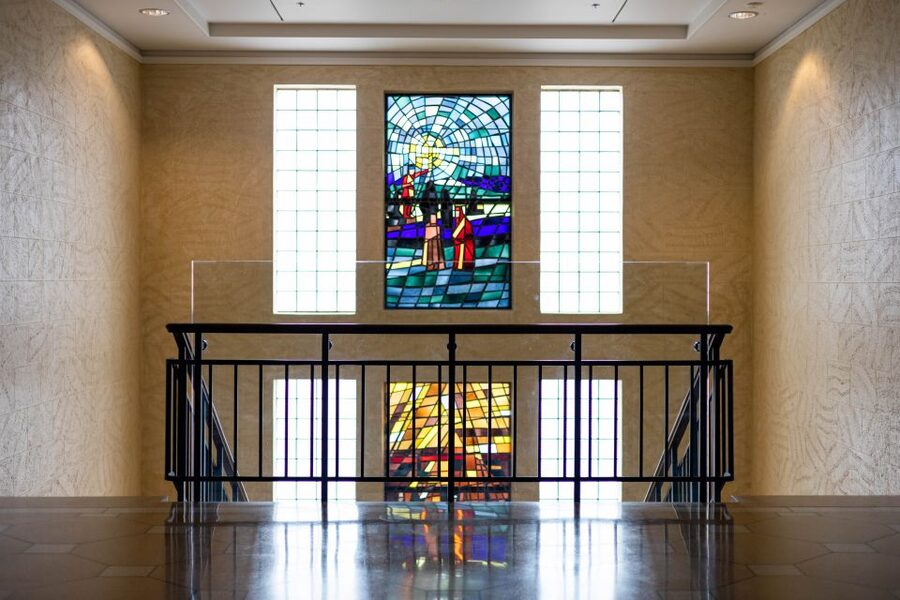
If the weather turns gray in Reykjavik, this is the kind of plan that saves your day. The National Museum of Iceland is an indoor, ticketed stop that gives you historical context for everything you’ll see outside later, from old church details to modern Icelandic identity.
For about $20 per person, you get access to the museum’s permanent exhibition plus temporary exhibitions that are on during your visit. That is the core value here: you are not just buying entry, you are buying the framework that helps Iceland’s past make sense in the present.
Logistics are simple. You show your ticket at the reception desk at the museum. The entry process is set up to help you get in without wrestling with a long ticket line, and your audio guide is ready to use once you’re inside.
The museum’s big idea: What makes a nation?
The permanent exhibition is built around one guiding question: What makes a nation? That might sound philosophical, but the museum makes it practical. You start with the ship medieval settlers used to cross the ocean, and you end with a modern airport, presented as the gateway for Icelanders to the world.
That structure matters because it avoids the usual museum trap of feeling like a list of interesting facts. Instead, it feels like a chain of choices and pressures over time: settlement, survival, belief systems, daily life, and then the world that Iceland connects to now.
The exhibition is also conceived as a journey through time. You’ll see it laid out in a way that encourages you to move forward rather than bounce randomly between centuries. It is not a guided tour, but the way it is designed nudges you toward a timeline.
What you’ll see across the centuries, from settlement to today

The museum’s permanent exhibition includes about 2,000 artifacts, dated from the Settlement Age to the present day. It also includes photographs from the 20th century, which helps bridge the gap from old objects to more recent life.
You can think of it in three phases that fit naturally with how you’ll walk through:
1) Beginning with arrival and settlement: you start with the story of crossing the ocean and establishing a home.
2) Building culture through objects: religious items, everyday tools, and artifacts that show how people lived and what they valued.
3) Moving into modern Iceland: the end of the journey points you toward contemporary life and how Iceland connects globally.
If you’re the type who likes your history with a reason behind it, you’ll probably enjoy the framing. The museum keeps asking you to connect the dots, rather than just reading labels.
The standout artifacts: Thor around year 1000 and more
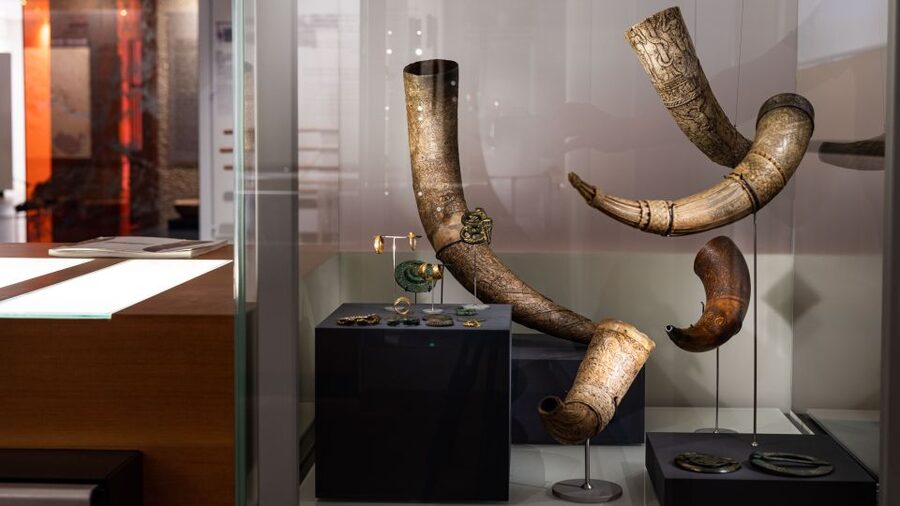
This is where the museum earns a lot of repeat attention. The highlight often pointed out is the famous Thor figure, dated from the year 1000. You are not just seeing a statue, you’re seeing a snapshot of beliefs and how symbols mattered in everyday life.
You’ll also encounter the famous first Bible printed in Iceland in the 16th century. The museum presents it as still considered one of the most beautiful prints in Icelandic, and you can feel why. Printed works change how knowledge spreads, how religion is practiced, and how language is preserved.
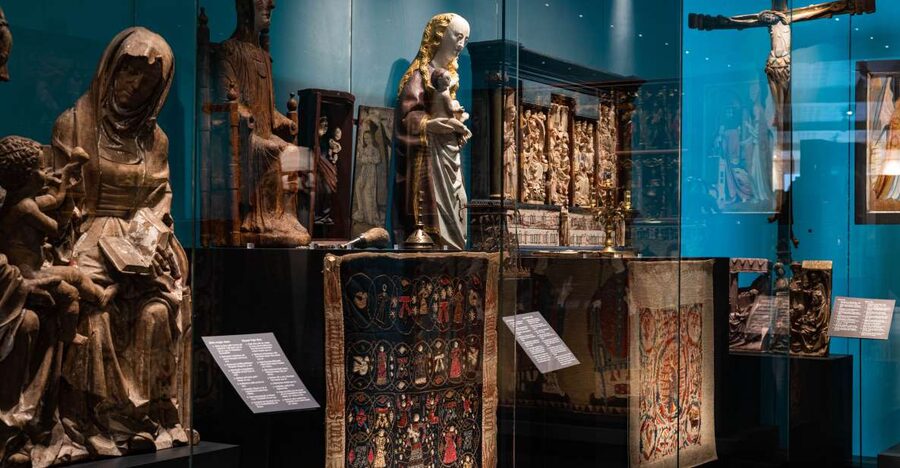
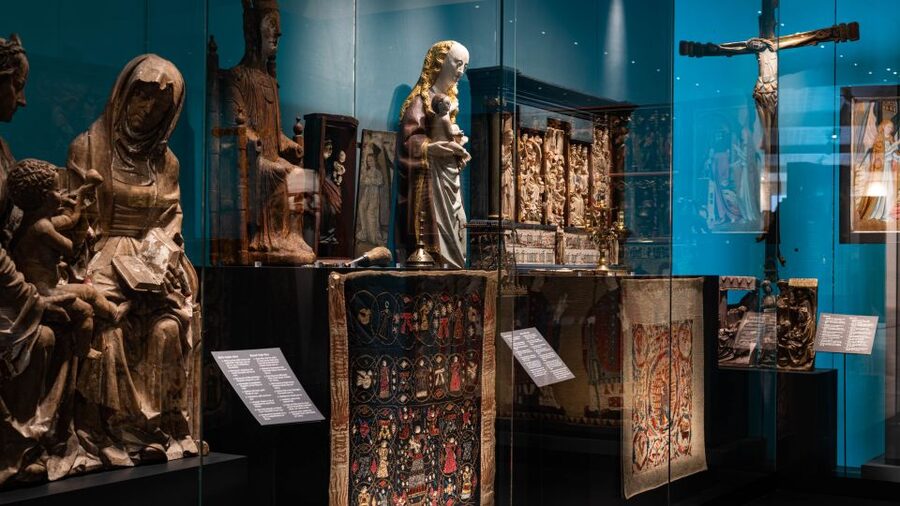
And then there are the medieval church artifacts. The museum includes beautiful items from that period, including pieces tied to church life. If your trip includes a few church stops around Reykjavik, seeing the context here helps you notice details you might otherwise miss.
One thing I appreciate about museums like this: the artifacts are specific. They have dates, they have meaning, and they don’t ask you to take anyone’s word for how important they were.
If the forecast turns, these leave Reykjavik as well:
- Reykjavik: Golden Circle Full-Day Tour with Kerid Crater★ 4.8 · 24,485 reviews
- Reykjavik Food Walk – Local Foodie Adventure in Iceland★ 5.0 · 18,952 reviews
- From Reykjavik: Northern Lights Bus Tour with Hot Cocoa★ 4.3 · 13,947 reviews
- Reykjavík: South Coast Waterfalls, Black Sand & Glacier Tour★ 4.8 · 11,030 reviews
- Reykjavík: Whale Watching and Marine Life Cruise★ 4.6 · 9,838 reviews
Temporary exhibitions, and why they’re worth checking
Your ticket gives you access to the museum’s temporary exhibitions, in addition to the permanent one. Temporary shows vary over time, but they often reflect Icelandic culture.
This is a smart feature because it gives you two ways to enjoy the museum:
- You can do the permanent exhibition for the big timeline.
- Or you can add the temporary exhibit for a more focused angle on Icelandic culture at that moment.
If you only have time for one museum indoors, I like doing the permanent exhibition first, then circling back to see what the temporary show is bringing. It keeps the day from feeling like homework.
How to use the audio guide without losing your bearings
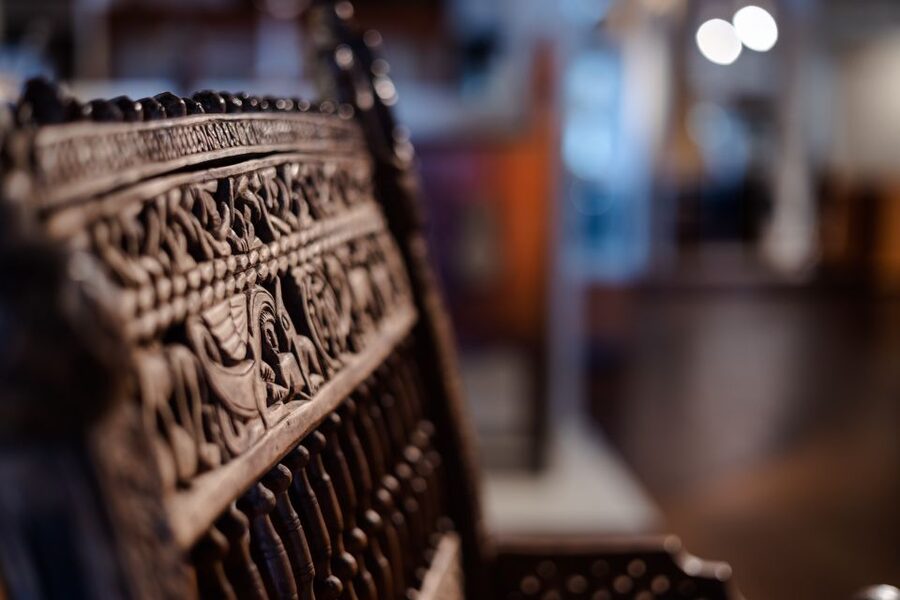
You get an audio guide in 10 languages: English, Danish, French, Polish, Spanish, Dutch, Swedish, Icelandic, Italian, and Chinese. That is a strong set of options, and it makes the museum friendly even if your group has mixed language needs.
Here’s the practical trick: use the audio guide to confirm your spot and context, not to sprint from object to object. The museum includes plenty of information, so if you go too fast, you’ll miss the point.
A real caution from people who visit is that the exhibits can feel spread out, and the sequence may not instantly feel obvious at a glance. If you want the story to land cleanly, slow down early. Follow the numbering or the exhibit cues closely at the start of the journey. Once you get your rhythm, it tends to make more sense.
Also, the museum includes WiFi. That’s helpful for quick reference if you want to look up a term you hear on the audio guide or check what temporary exhibit is running.
How long you need for the National Museum of Iceland
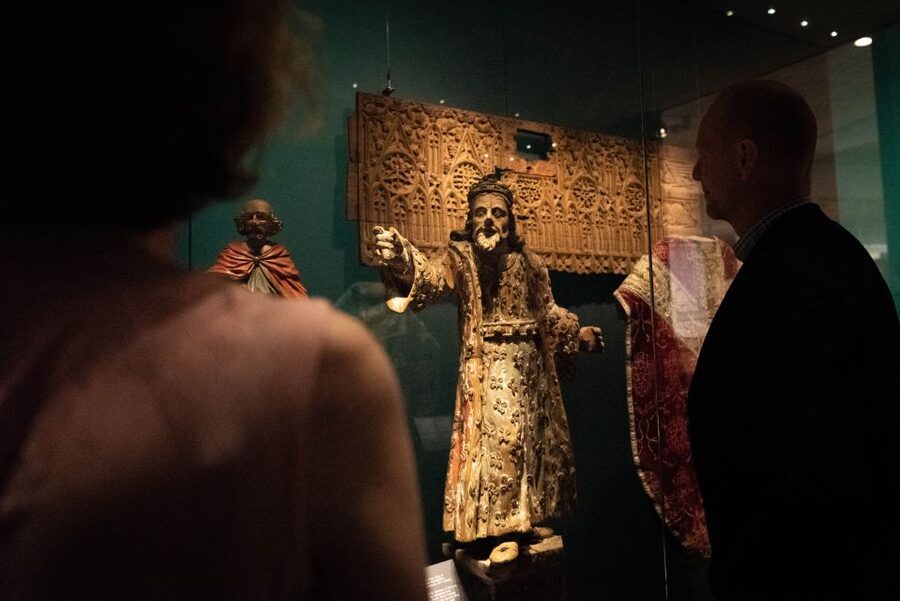
A common visit length is around an hour and a half for people who focus on the main story and the biggest objects. If you like reading every label or you’re especially drawn to Viking-era material, plan for longer.
I’d structure your time like this:
- First pass through the permanent exhibition to get the timeline feel
- Time on the major highlights, especially Thor and the older religious prints
- A final look at the temporary exhibit, if it catches your interest
This keeps you from getting stuck in one room while you leave another important era unseen.
Pairing it with other Reykjavik history stops
The National Museum of Iceland plays well with other history-based visits, because it gives you the baseline. One practical approach is to pair it with another museum depending on what you’re most curious about.
If your interest is strongest in the earliest roots of Iceland, pairing with a Settlement-focused stop can make the Viking period feel even more grounded. If you’re more drawn to 20th-century Iceland and modern developments, pairing with a maritime or modern-history museum can help you connect objects and identity across time, including topics tied to cod fisheries and maritime life.
You do not have to do any of this to enjoy the National Museum of Iceland. Still, if your goal is maximum learning per hour, these pairings help you build a story rather than just collecting stops.
Practicalities that matter on the ground
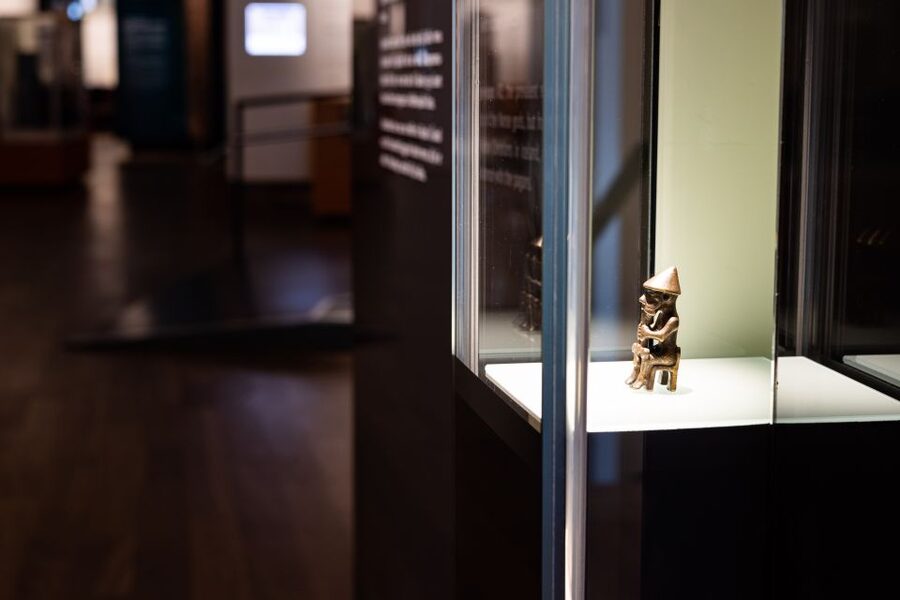
A few small details can make your visit smoother.
Bags and what you can bring
The museum does not allow luggage or large bags. If you’re carrying a bigger pack, consider leaving it at your accommodation or using a smaller day bag.
Mobility
The museum is wheelchair accessible. This matters because you are moving between exhibit rooms and you’ll want comfortable access throughout your time there.
Tickets and validity
Your ticket is valid for 365 days. That is useful if your Reykjavik dates are flexible or if you want to keep it as a backup plan in case another attraction gets derailed by weather.
What’s included, and what isn’t
Included with your ticket are entry to the museum, an audio guide in 10 languages, and WiFi. Transportation is not included, so you’ll need to get to the museum on your own.
Who should book this museum ticket?
This is a good fit for:
- Adult travelers who want a clear, object-based timeline of Icelandic history
- People who like Viking-era artifacts but also want the story beyond the Vikings
- Anyone visiting on a rainy day who still wants something meaningful
It can also work for kids, with the caveat that history museums often land best for older children who can sit with text and timelines. If your group is very young, you might find that the museum is a lot to absorb in one go.
If you like interactive elements and clear context, you’ll likely enjoy the way the museum presents Iceland’s life across time. It also helps that you can shape the pace with the audio guide.
Price and value: Is $20 a good deal?
At $20 per person, the value depends on what you want out of the day.
You’re paying for:
- Entry to the permanent exhibition
- Access to temporary exhibitions
- An audio guide in 10 languages
- WiFi inside the museum
For me, the best value signal is the size and range of the collection, about 2,000 artifacts plus 20th-century photographs. If your goal is to understand Iceland in a single sitting, that price usually feels reasonable. If you only want one or two objects and you don’t care about the timeline, you may feel like it’s more than you need.
A helpful compromise is to treat it as a “foundation museum.” Get your historical bearings here, then spend the rest of your trip chasing the themes you care about most.
Should you book the National Museum of Iceland ticket?
Book it if you want a structured, indoor way to understand Iceland, with standout objects like the Thor figure dated from year 1000 and the first Bible printed in Iceland. It’s especially worth it if your schedule has flexibility, since your ticket is valid for 365 days.
Skip it or consider a lighter plan only if you dislike museums that require sustained attention to timelines and lots of labels. Also, if you hate any chance of getting slightly lost in a big room layout, plan to move slowly and use the audio guide to keep your place.
FAQ
Where do I show my ticket?
Show your ticket at the reception desk at the National Museum of Iceland.
What’s included with the entry ticket?
The ticket includes entry to the National Museum of Iceland, an audio guide in 10 languages, and WiFi.
Which languages are available for the audio guide?
The audio guide is available in English, Danish, French, Polish, Spanish, Dutch, Swedish, Icelandic, Italian, and Chinese.
Is the museum wheelchair accessible?
Yes, the museum is wheelchair accessible.
Are large bags or luggage allowed?
No, luggage or large bags are not allowed.
How long is the ticket valid?
Your ticket is valid for 365 days.
Just listed out of Reykjavik




Museums, compared.
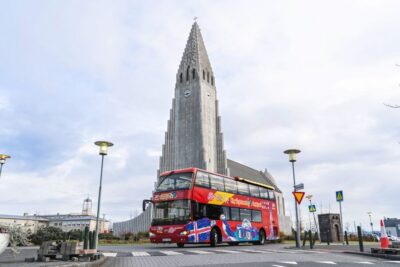
Hop-On Hop-Off Bus and Perlan Museum Entry Ticket
Read our review →

Aurora Reykjavík, The Northern Lights Center Museum Visit
Read our review →

Whale Watching Tour, Whales of Iceland Exhibition
Read our review →
Skip the Line: The National Museum of Iceland Ticket
Read our review →
More days of this kind out of Reykjavík