
Reviewed · VOLCANO TOURS
Reykjavík: Guided Afternoon Hiking Tour to New Volcano Site
A volcano hike in Iceland always feels different. This one adds a practical bonus, you get a guided look at how lava changes the ground, plus chances to see the latest eruption areas near Fagradalsfjall and Litli Hrutur. I especially love the balance of hands-on terrain and clear science explanations, so the hike feels meaningful, not just scenic.
Two more things I like: the stop at Seltún Hot Springs in Krýsuvík, where the colors and sulfur smell make Iceland real fast, and the way the drive threads past eruption-linked valleys like Meradalir and Geldingadalur. One thing to consider upfront, the hike can be moderate to hard, and the trail can be slippery in bad weather or ice.
In This Review
- Key Highlights You Should Plan Around
- A Volcano Hike That Treats Science Like a Scenic View
- Reykjavik-to-Peninsula Route: Seltún Hot Springs, Then the Lava Story
- Seltún Hot Springs: Fast, Smelly, and Worth the Photo Stops
- Geldingadalur Valley Hiking: The Part You Feel in Your Legs
- Meradalir and the Lava Lesson You Can Actually Walk On
- Litli Hrutur and the Eruption Reality Check: Lava Flows or Smolders
- The Guides: Where This Tour Earns Its Praise
- What to Bring (and What to Leave Behind)
- Price and Value: Why $126 Makes Sense Here
- Who This Tour Fits Best (and Who Should Skip)
- Should You Book This Guided Volcano Hike?
- FAQ
- How long is the guided tour from Reykjavik?
- How difficult is the hike in Geldingadalur Valley?
- Is food included on the tour?
- What is included in the price?
- Where do I meet the guide in Reykjavik?
- Is pickup from hotels or other spots available?
- What should I wear, and what is not allowed?
- If the lava flow stops, is the tour still worth it?
Key Highlights You Should Plan Around
- You’re not chasing a guaranteed lava show: you’ll hunt for signs of activity, heat, and what’s visible from public paths.
- Seltún Hot Springs makes a great warm-up: vivid geothermal colors plus a short walk and photo time.
- Meradalir is a geology lesson on the move: you pass the eruption area and hear how lava formed and hardened.
- Geldingadalur Valley delivers the wow factor: a guided trek across transformed ground from the last two years.
- If you get the right guide, the whole trip clicks: popular guides like Elias, Ottar, Tom, Alain, Dave, and Omar earn praise for stories, safety, and pace.
- Bring snacks because food options are limited: the tour packs in a lot of nature and little chance to grab a bite.
Other volcano days within reach of Reykjavik:
- Golden Circle with Kerid Volcanic Crater Day Tour from Reykjavik
★ 4.5 · 2,826 reviews - Golden Circle, Volcano Crater and Blue Lagoon Small-Group Tour
★ 5.0 · 1,932 reviews - Reykjavík: Volcano Eruption Site and Reykjanes Hiking Tour
★ 4.6 · 1,066 reviews
A Volcano Hike That Treats Science Like a Scenic View
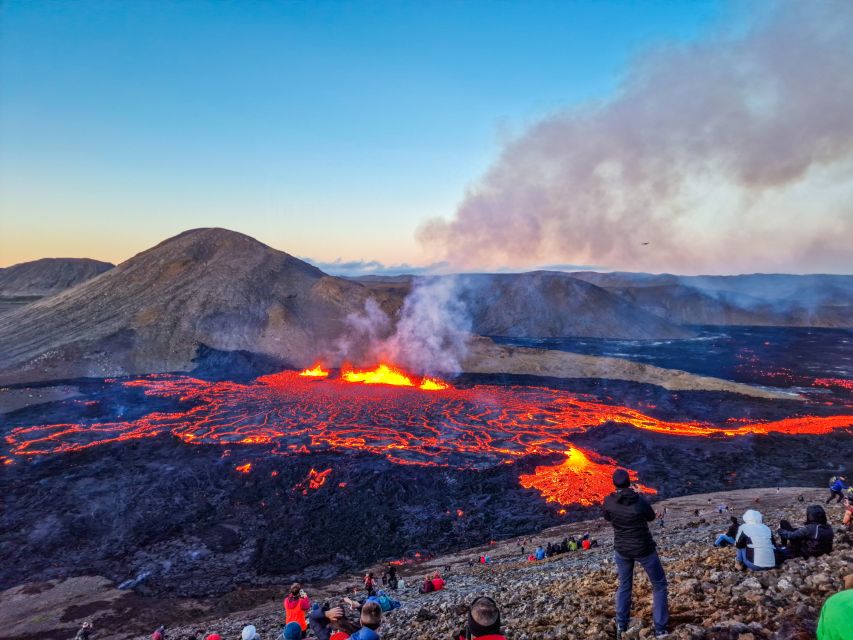
This tour is built for people who want more than photos of dramatic scenery. You start in Reykjavik, then head out toward the Reykjanes Peninsula, where the ground has been reworked by eruptions over the past couple of years. Your guide ties the route to what you’re seeing, so the lava fields stop being a generic Iceland sight and start becoming a place with a timeline.
I like that the guide framing is practical. You’re not promised constant, visible fireworks from the crater. Instead, you’re set up to understand what you can reasonably expect from an active volcanic landscape: heat, steam, hardened flows, and fresh-looking rock that still shows where molten material once moved.
A small but important detail for comfort: you get a headlamp included. That doesn’t mean you’re hiking in the dark, but it signals that timing can shift with weather, and it helps if you end up with low light around the afternoon slot.
Reykjavik-to-Peninsula Route: Seltún Hot Springs, Then the Lava Story
The day runs about 7 hours, and it’s a classic “leave town, work your legs, return with stories” format. You’ll typically have pickup options from central Reykjavik hotel areas and official bus stops, with a standard meeting point at Tour Bus Stop 12 across from Storm Hotel. Then you settle in on the coach for scenic driving time toward the Fagradalsfjall area.
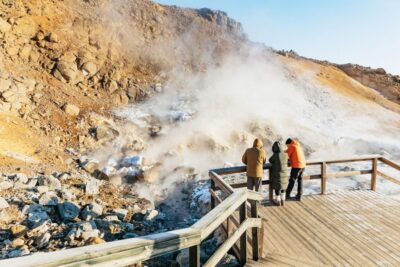
The first real stop is Seltún Geothermal Area in Krýsuvík. This is your quick intro to the geothermal side of Iceland, with a photo stop and short walk. Expect vivid colors and that unmistakable sulfur smell. Even if you’ve seen geothermal areas before, this one helps you calibrate for what’s ahead: the landscape here looks otherworldly because heat and minerals have remixed the surface.
From there, you continue along the peninsula toward Meradalir and Geldingadalur. On the way, you get the “why this looks like it does” talk. Soft green lava moss also comes up in the explanation, and it’s a useful image for how the island changes over time, from fresh lava to colonizing vegetation.
Seltún Hot Springs: Fast, Smelly, and Worth the Photo Stops
Seltún isn’t a long detour. It’s short, but it’s timed well: you start with something you can instantly recognize, then you move toward the newer eruption zones where the details get stranger. If you’re sensitive to strong smells, plan for it, the sulfur is part of the point.
What I’d do as a traveler is treat Seltún as a mental warm-up. Look at the textures, notice how the ground changes from spot to spot, and use the colors as clues for the rest of the day. A good guide will connect the dots while you’re outside, so the later lava views feel earned rather than random.
There’s also a practical angle. Because the hike later is active, this early stop gives you a chance to get fresh air, take photos, and use the time to double-check your layers, gloves, and water.
Geldingadalur Valley Hiking: The Part You Feel in Your Legs
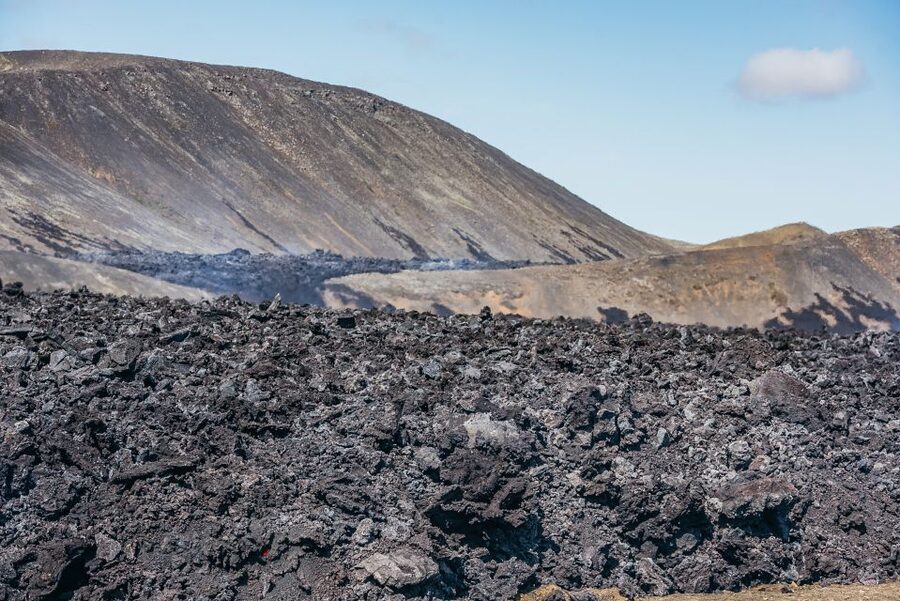
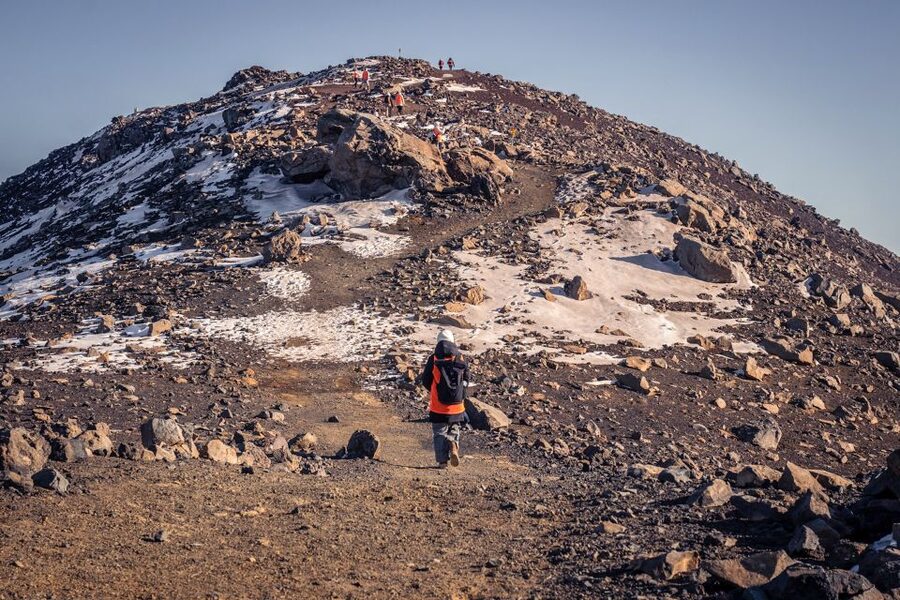
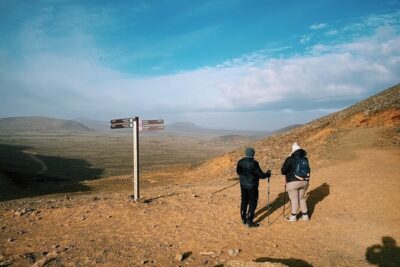
At Geldingadalur, the schedule tightens. You put on hiking gear and start toward a viewing point where you can hopefully see signs from the eruption areas associated with Fagradalsfjall. The hiking time is roughly 3 hours in the core block, and the trek to a solid viewpoint takes about 2 hours each way on a moderate-to-hard level.
This is not a flat walk. The ground can be uneven, and depending on conditions, stones and ice can make footing tricky. One review-style caution that matters: if weather turns icy or sloppy, you might want your own traction solution. The tour setup includes guidance and group pacing, but your best safety tool is your own shoe confidence.
I also recommend you treat the hike like a weather-dependent mission. Winds can increase fatigue fast, and rain can make rock surfaces slick. Your clothing needs to handle layers and fast changes, because you’re out on open volcanic ground where the weather hits harder than you expect.
A typical flow at the hike is simple: hike, pause for explanations and photo time, then push onward with a clear group rhythm. Guides like Tom and Dave get praised for keeping everyone together without rushing, which matters on a longer, uneven trek.
Other walks with proper boots on:
- Reykjavik: Glacier Hike, Waterfalls and Black Sand Beach★ 4.8 · 1,285 reviews
- From Reykjavik: Glacier Hike, South Coast and Waterfalls Day Trip★ 5.0 · 915 reviews
- Glacier Hike and South Coast Small-Group Tour from Reykjavik★ 5.0 · 827 reviews
- From Reykjavík: Fagradalsfjall Volcano Hike with Geologist★ 4.8 · 780 reviews
- Glacier Hike, South Coast Waterfalls & Black Sand Beach★ 5.0 · 705 reviews
Meradalir and the Lava Lesson You Can Actually Walk On
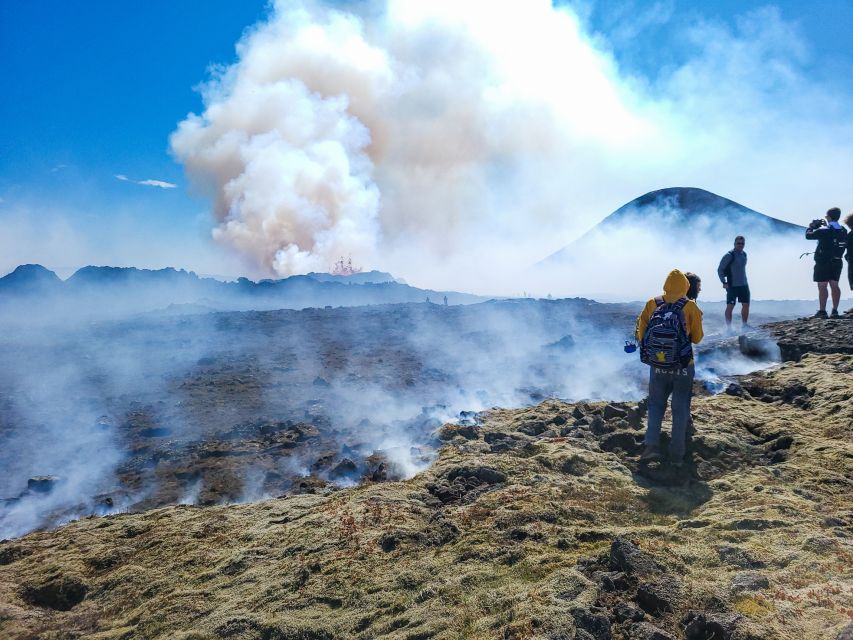
You don’t just stop at one spot. A big reason this tour feels valuable is that it moves through multiple eruption-linked zones on the same peninsula. Meradalir is part of that drive experience, and the guide’s explanation focuses on how lava formed and hardened there.
Even if you’re not a geology person, that explanation helps you read what you see. Hardened lava tells a story through shape, texture, and the way heat has changed the surface over time. Fresh-looking flows can look dramatic, while older areas can show vegetation returning in patches.
If you enjoy patterns, this is one of the reasons the hike works. You’re not repeating a single view. Instead, you’re watching the ground evolve, valley by valley, and the guide connects each stop to the wider eruption history in the region.
Litli Hrutur and the Eruption Reality Check: Lava Flows or Smolders
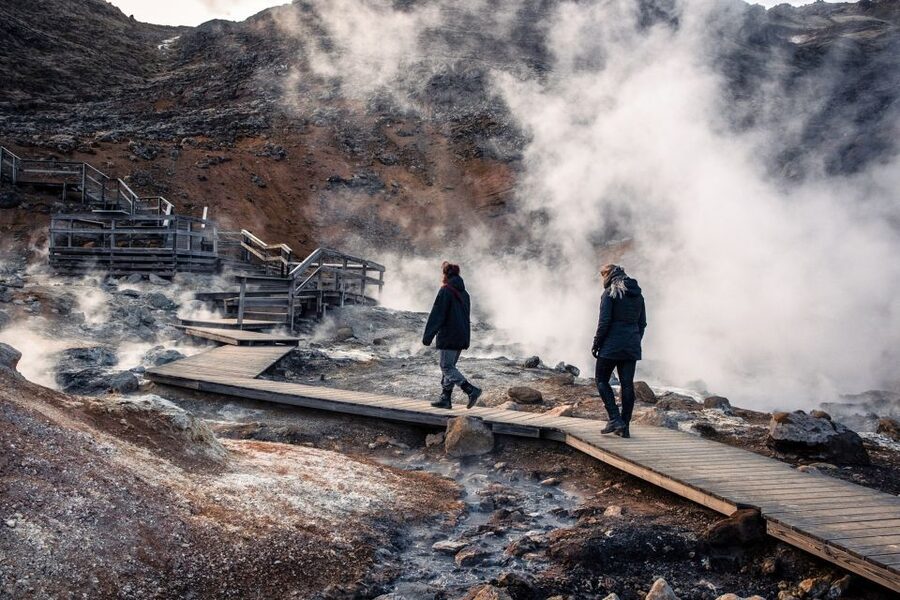
Here’s the part you’ll care about most: Litli Hrutur, the newer eruption site area. The tour is structured around the idea of spotting what’s visible from permitted public routes.
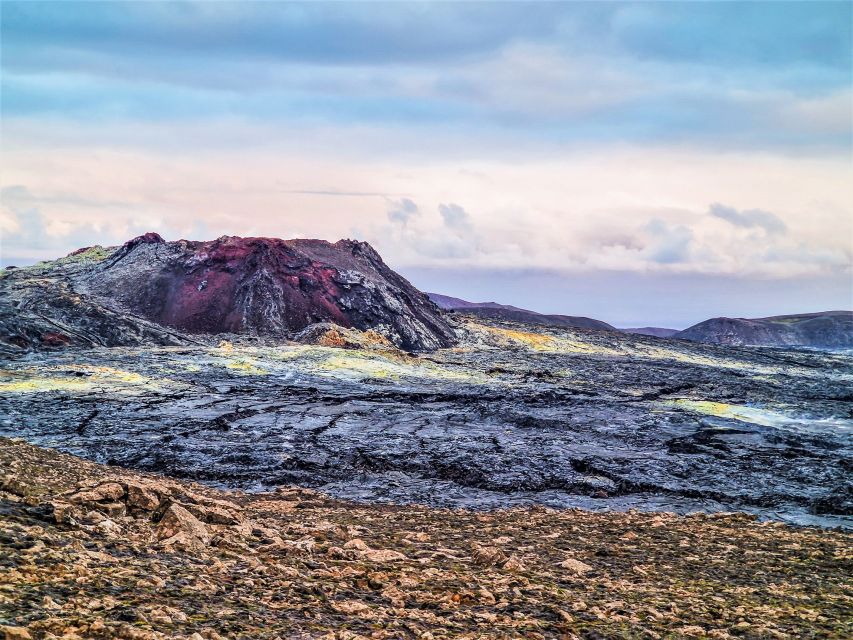
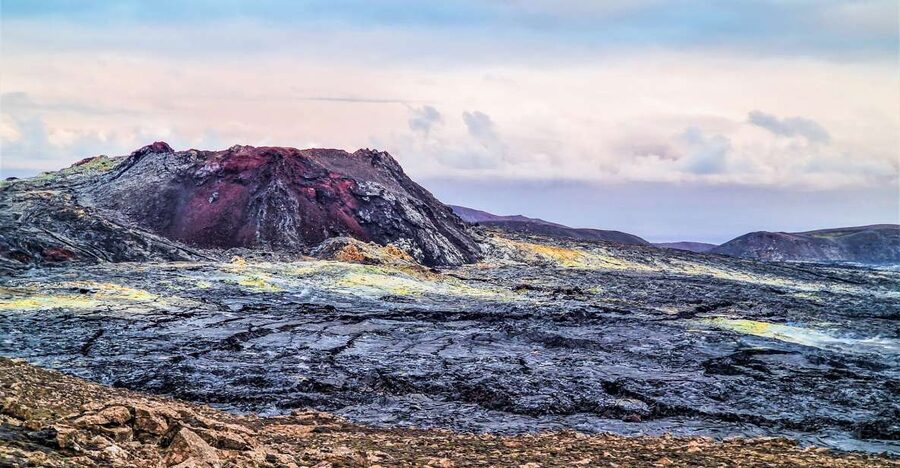
There is an important update noted for the new flow at Litli Hrutur: the flow of new lava has stopped at least for the time being, and the area is still smoldering. In plain terms, even when you don’t see active flowing lava, the ground can still look alive, with heat and smoke signals that guide your attention to the most fascinating parts of the site.
I also appreciate that the tour doesn’t sell you a guaranteed magma geyser. Reviews repeatedly make the same point: if you read it as a hike into volcanic activity and not as a guarantee of flowing lava, you’re much more likely to feel satisfied. You’ll still come away with a stronger understanding of how an eruption changes the ground in months, not millennia.
And if you’re hoping for small surprises, you might find there are practical ways to use the heat where permitted. One traveler noted warming sandwiches on lava where allowed, which is the kind of Iceland moment that makes a geology story feel tangible. Don’t count on it, but do expect the guide to point out what’s safe and interesting.
The Guides: Where This Tour Earns Its Praise
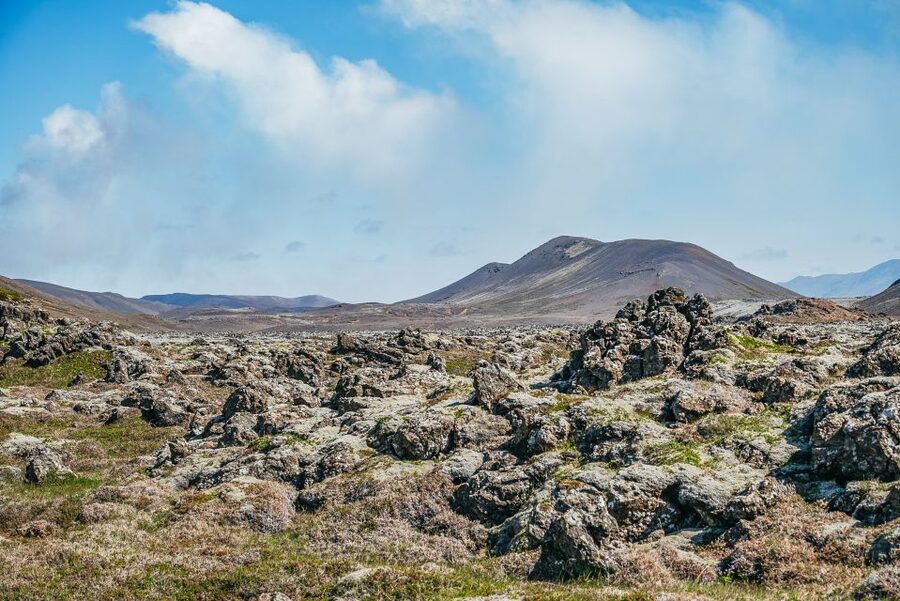
This trip lives or dies on interpretation. The route is dramatic, sure, but a great guide turns drama into understanding and turns safety into a calm pace.
Several guides are repeatedly mentioned in the feedback. Elias is praised for being very knowledgeable about volcano history and multiple eruption phases, and for making the information click during the challenging hike. Ottar gets standout notes for Iceland stories, guidance, and music shared during the day.
Tom and Alain show up often too. Tom is described as enthusiastic and engaging, with a wealth of knowledge shared in a way that keeps the group moving. Alain is praised for being an encyclopedic source on the area and for managing the group pace so people can catch photos and breathe. Dave earns praise for caring, humor, and strong support, plus helpful city tips after the tour.
What to look for, regardless of name: you want a guide who explains what you’re seeing, adapts to weather, and keeps you aware of safety rules at active sites. The best versions of this tour feel like a friendly field trip with a professional operator in charge.
What to Bring (and What to Leave Behind)
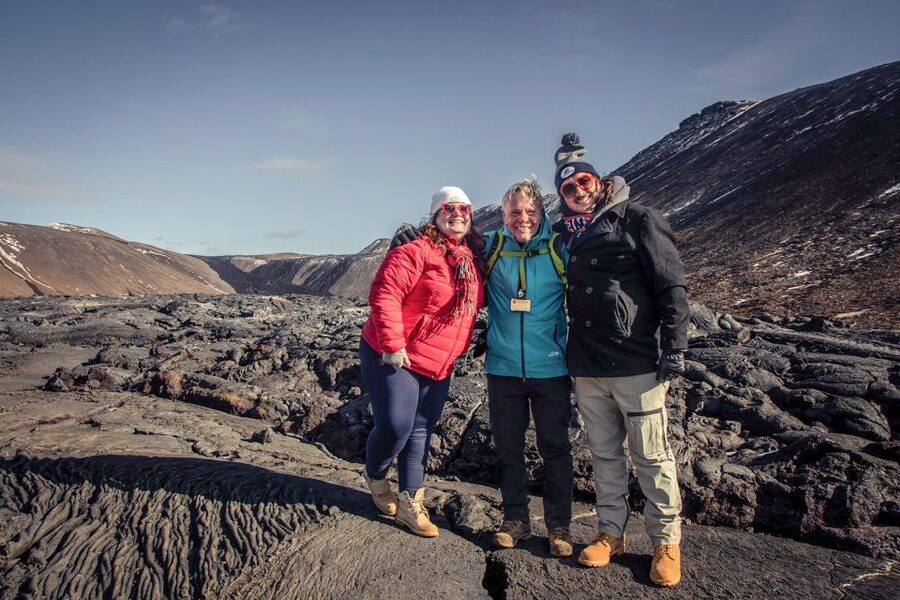
Because the tour is outdoors on volcanic ground, packing isn’t optional. You’ll get better comfort and better safety if you plan like the weather is unpredictable and the ground can be slippery.
Bring:
- Comfortable hiking shoes
- Warm clothing, plus a rain layer
- Gloves and a hat
- Water and snacks
- A packed lunch
- Weather-appropriate gear, including rain gear
- Hiking socks and extra warmth if you run cold
Included items help, especially the headlamp, but you should not count on anything in town to fix a packing mistake. One clear traveler takeaway: there’s basically nothing around to grab food, so snacks are not a suggestion, they’re smart.
Avoid:
- Jeans
- Sports shoes
One small footwear note from reviews: some people reported having trouble with shoe traction fit on slippery sections. That means you should consider bringing your own traction aids if you’re visiting in colder months or you know your shoes get slick.
Price and Value: Why $126 Makes Sense Here
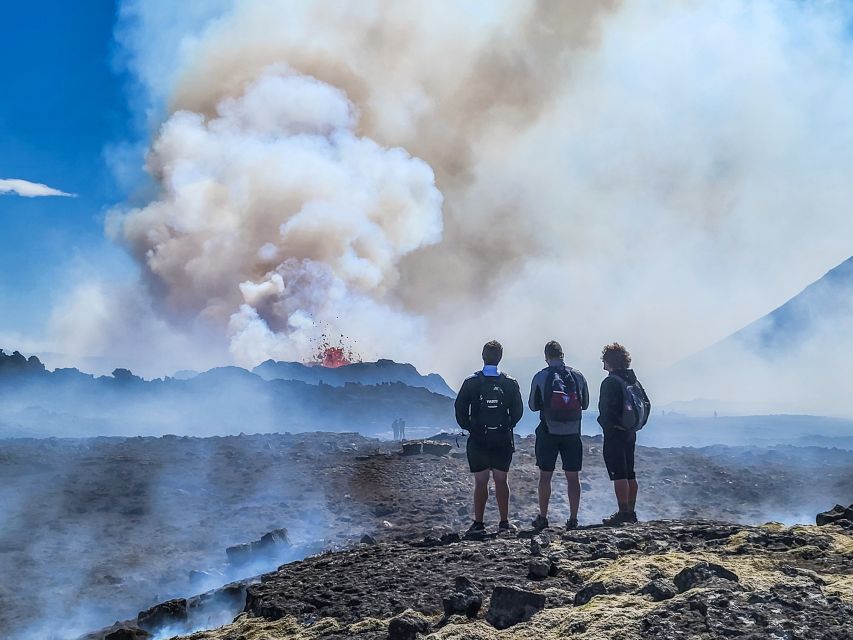
At $126 per person for about 7 hours, you’re paying for more than transport. You’re paying for a guided geology-to-terrain translation, plus entry fees and a headlamp included in the tour package.
If you were to self-drive, you’d still need to figure out where to park, how to navigate route changes, and how to understand what the lava patterns mean. This tour handles the hard part: it strings together the geothermal start at Seltún, the eruption-area drive around Meradalir, and the hike into Geldingadalur within a single day.
The value shows up in two places:
- Time efficiency, you’re not spending your day researching spots on your own.
- Interpretive value, you’re learning why the ground looks the way it does, so you leave with context, not just images.
Is it worth it if you mainly want live lava pouring out? If that’s your absolute requirement, you might feel disappointed, because eruption visibility changes. But if you want a guided hike through an active volcanic region, with heat and hardened flows you can actually walk among, this price is in the sweet spot.
Who This Tour Fits Best (and Who Should Skip)
This is ideal for hikers who can handle a moderate-to-hard trek on uneven volcanic ground. You should be comfortable with hills, potentially slippery stones, and wind that can make exertion feel harder.
It’s not suitable for children under 12, and it’s not intended for people with mobility impairments. If you have asthma or breathing sensitivity, it can still work for some people, but treat it seriously, because you’ll be hiking outdoors in variable weather.
If you enjoy geology and want your visit to include more than a quick look at geothermal steam, you’ll likely love the guide-led explanations. If you want guaranteed crater drama with zero hiking, this is probably not your best match.
Also, this is a great “first Iceland volcano” choice. Even if you don’t know the science, the tour gives you enough structure to understand what you’re seeing and why.
Should You Book This Guided Volcano Hike?
Book it if you want a guided, time-efficient day that combines geothermal Iceland (Seltún Hot Springs), eruption-zone storytelling (Meradalir), and a real hike into Geldingadalur Valley. You’ll get your legs moving, and you’ll leave with a much clearer mental picture of how lava changes the ground.
Think twice if you hate hikes, have mobility limits that make uneven terrain hard, or you’re expecting a constant, visible eruption from public areas. The smartest approach is to treat it as a guided hike into an active volcanic region, with the possibility of heat, steam, and smoldering even when lava flow pauses.
If your biggest goal is to understand the island’s volcanic forces while standing on the evidence, this tour is a strong choice.
FAQ
How long is the guided tour from Reykjavik?
The tour duration is 7 hours.
How difficult is the hike in Geldingadalur Valley?
The hike is considered moderate to hard. The walk to a good viewing point takes around 2 hours each way, with conditions that can vary.
Is food included on the tour?
No. Food and drinks are not included, so you should bring snacks and a packed lunch.
What is included in the price?
The price includes the guided tour, a headlamp, and entry fees.
Where do I meet the guide in Reykjavik?
Please wait for your guide at Tour Bus Stop 12, which is opposite the Storm Hotel.
Is pickup from hotels or other spots available?
Pickup is optional and available from hotels and official bus stops in central Reykjavik. You should confirm your pickup details with the activity provider after booking.
What should I wear, and what is not allowed?
Bring comfortable shoes and warm, weather-appropriate clothing, plus rain gear and gloves. Jeans and sports shoes are not allowed.
If the lava flow stops, is the tour still worth it?
The tour can still be fascinating even when the new lava flow stops, because the area may still smolder. The exact time and route can also change due to live volcano activity and possible closures.
Just listed out of Reykjavik
Volcano Tours, compared.
Golden Circle with Kerid Volcanic Crater Day Tour from Reykjavik
Read our review →
Golden Circle, Volcano Crater and Blue Lagoon Small-Group Tour
Read our review →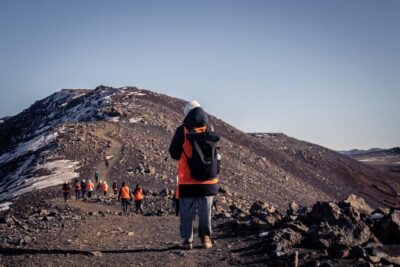
Volcano Eruption Site and Reykjanes Hiking Tour
Read our review →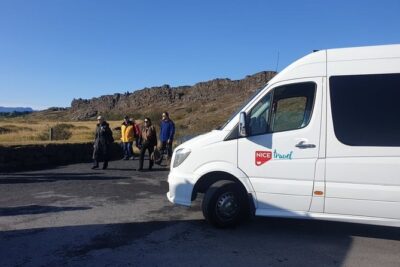
Golden Circle and Kerid Volcanic Crater Small-Group Day Tour
Read our review →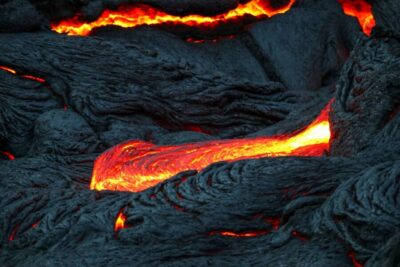
Iceland Hiking Tour to Fagradalsfjall Volcano with Local Guide
Read our review →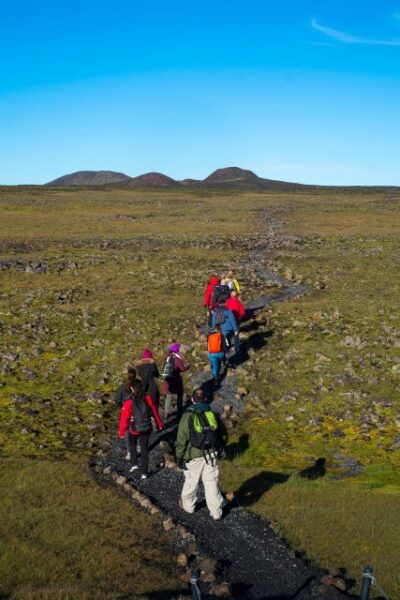
More days of this kind out of Reykjavík