
Reviewed · WALKING TOURS
Private Reykjavik City & Icelandic Architecture Walking Tour
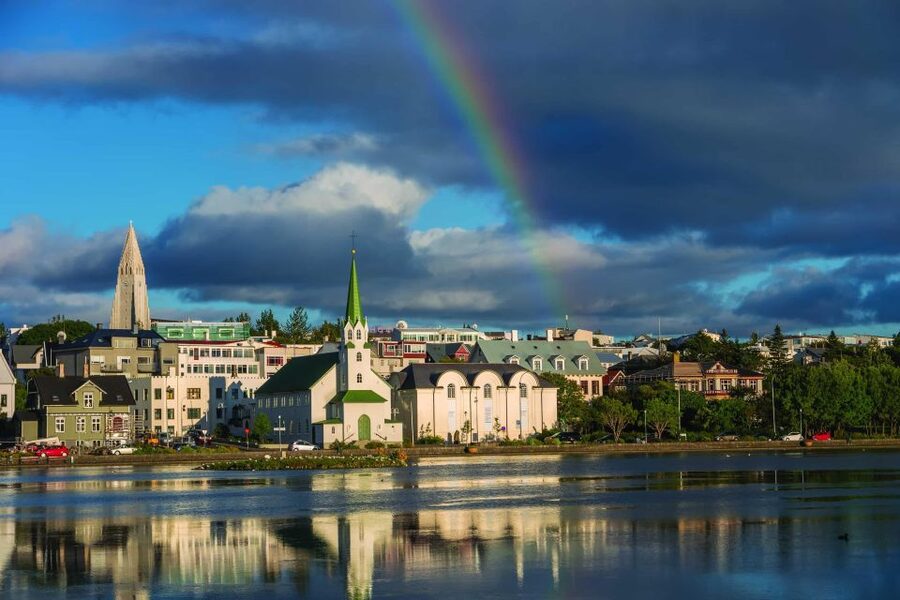
Reykjavik’s buildings tell a story fast. On this private architecture walking tour, I like how the guide sets the scene first, then you see the ideas play out block by block. You’ll learn how Icelandic homes started as sheltered turf structures and later shifted toward timber, then modern design, with stops that mix planning, everyday streets, and big-name landmarks.
Two things I really enjoyed: the special focus on Icelandic architecture evolution, explained in a way that makes the city’s shapes make sense. And the pacing works, you get photo stops plus guided time, including a visit to Hallgrímskirkja and time at Harpa. One consideration, the topic is specialized, so if you want mostly general Reykjavik vibes, this may feel more structured than you expect.
In This Review
- Key highlights you should not miss
- The architecture lesson you get before you start walking
- Meeting outside Hlöllabátar, then getting your bearings near Ingólfstorg
- Ingólfstorg, Alþingi, and Laugavegur: photo stops with a purpose
- Hallgrímskirkja: why modernism feels Iceland-sized
- Harpa Concert Hall: glass that echoes basalt columns
- What makes the tour worth $355 per person
- Private guide style, languages, and the one service snag
- How to dress and plan so the walk stays fun
- Should you book this Reykjavik architecture walking tour?
- FAQ
- Where is the meeting point for the tour?
- How long does the private walking tour last?
- Is this tour private or shared?
- What is included in the tour price?
- Do you visit Hallgrímskirkja during the tour?
- What languages are available for the live guide?
- What should I bring or wear?
- Can the guide pick you up from your hotel?
- What are the cancellation and payment options?
Key highlights you should not miss
- Architecture history that matches what you see, from turf houses to modernism
- Private guide from Your Friend in Reykjavik, including a fun, prepared style of explanation
- Hallgrímskirkja visit, with modernist design tied to Iceland’s nature
- Harpa Concert Hall, including the design idea of glass inspired by basalt columns
- A drink included (wine, beer, schnapps, or coffee) to keep the walk comfortable
More of Reykjavik crossed at walking pace:
- Reykjavik Food Walk – Local Foodie Adventure in Iceland
★ 5.0 · 18,952 reviews - Reykjavík Small group Walking Tour – by CityWalk
★ 5.0 · 5,076 reviews - Reykjavik: Guided Foodie Walking Tour with 6 Tastings
★ 4.9 · 1,645 reviews
The architecture lesson you get before you start walking
This tour works because it doesn’t just point at buildings. Right at the beginning, your guide frames Icelandic architecture as a response to place, weather, and limited resources. You start by understanding how isolation and the harsh environment shaped building choices, which instantly changes how you interpret Reykjavik.
You’ll hear about early settlement homes built as partially underground turf houses, known as tjörn or burstabær. The key idea is insulation and protection from wind, snow, and cold. Then the story moves to later turf-and-timber styles, skálar, with timber-framed houses and turf walls, including wooden gables and roofs covered with turf or shingles. The guide connects the design to the reality that trees were scarce, so builders made the most of what they had.
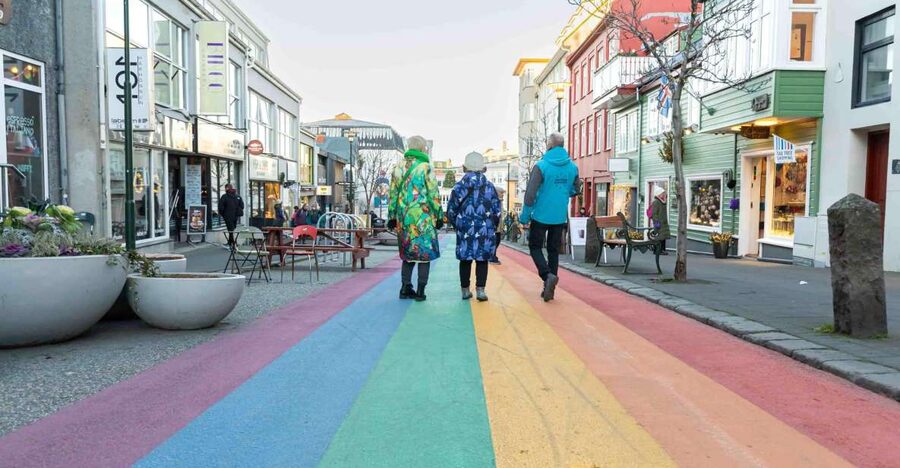
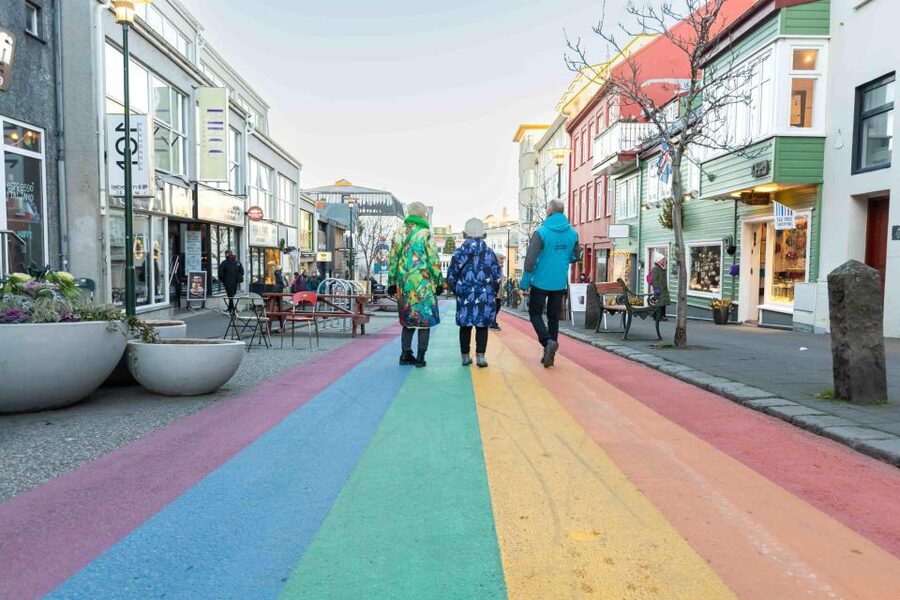
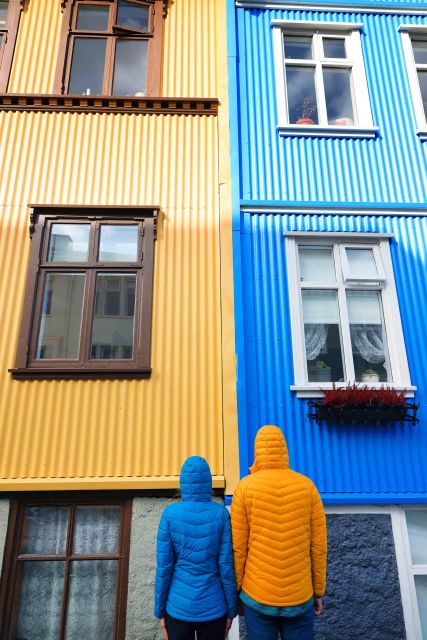
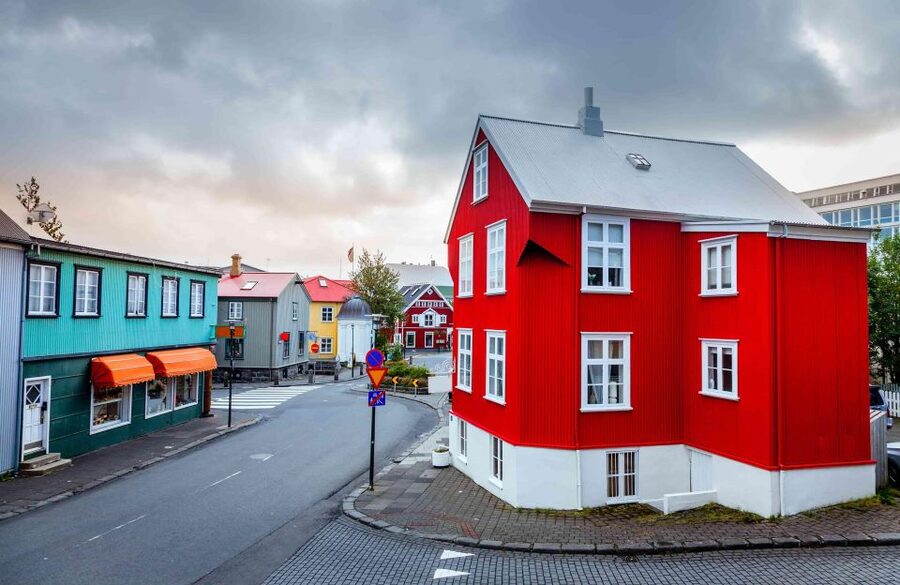
From there, the tour explains how urbanization and Danish architectural influence changed the city in the 19th century, bringing timber houses and concrete buildings. You’ll also learn why older parts of Reykjavik can look colorful, with timber houses often painted vivid colors. Finally, the modern chapter comes in: mid-20th century modernism and functionalism, where clean lines and bold forms start showing up more openly.
That pre-walk history matters because when you reach the major sites later, you’re not just taking in famous facades. You’re comparing design eras, seeing what stayed consistent (practical survival) and what changed (new materials and new aesthetics).
Meeting outside Hlöllabátar, then getting your bearings near Ingólfstorg
You meet outside Hlöllabátar Sandwich Shop, facing Ingólfstorg Square and the two tall stone pillars. It’s an easy starting point to find, and the CenterHotel Plaza sits right nearby, making it simple to orient yourself.
This first stretch sets the tone. Ingólfstorg is where you get a quick guided introduction, plus a short on-foot context so the architecture lesson becomes grounded in real street geography. It’s also where you’ll learn how your guide wants you to look at the city: not only at what is beautiful, but at what is functional, transitional, and era-specific.
One practical tip: Reykjavik weather can shift quickly, even when your day starts calm. Since the tour is a walking experience with multiple photo stops, dress for cold wind and changing conditions, not for comfort at noon.
Ingólfstorg, Alþingi, and Laugavegur: photo stops with a purpose
After the initial intro at Ingólfstorg, the itinerary keeps moving with a photo stop at Alþingi and sightseeing time along Laugavegur. Even when the stops are shorter, the value comes from what the guide ties them back to: how architectural styles show up in the city center and how Reykjavik grew into what you see today.
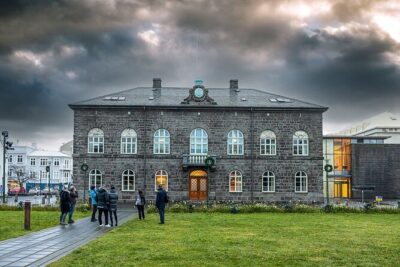
At Alþingi, you’re given guided time and a chance to capture angles. I like that this stop isn’t treated as a quick tourist snapshot. The guide’s explanation helps you notice how civic or public presence often pushes architecture into bigger statements, which is a useful way to understand Reykjavik’s transition from older building forms to more pronounced modern designs.
Then comes Laugavegur, Reykjavik’s main shopping street. You’ll get sightseeing time and another photo stop. The street is a good place to “read” architecture because it mixes scales. You can spot how older building patterns blend into newer construction, and how colors and materials show up in everyday walking life. You don’t have to be an architecture nerd to enjoy this part. The guide keeps the story tied to what you’re actually walking past.
Hallgrímskirkja: why modernism feels Iceland-sized
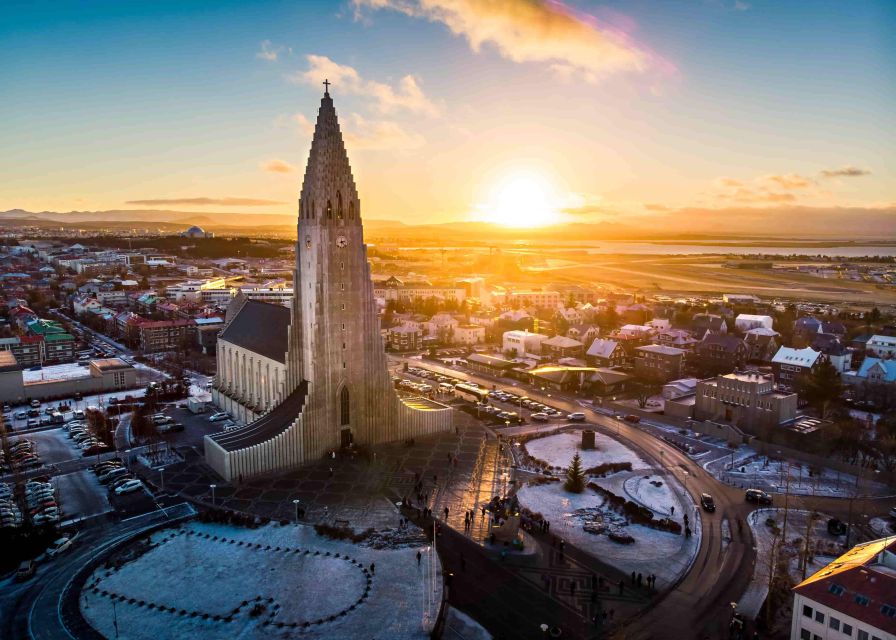
The biggest traditional-to-modern pivot on the walk is Hallgrímskirkja. You get a photo stop first, then guided visit and sightseeing time. This is the moment when you see modernist design principles in a building that feels designed for Reykjavik’s scale and weather.
The guide connects its look to modernism and functionalism, including the designer Guðjón Samúelsson. You’ll hear about the clean lines and the towering presence, described as inspired by Icelandic nature. Even if you only know the church by reputation, standing there makes the architectural intent clearer.
What I like most is how the visit reinforces everything you heard at the beginning. Early turf structures were about protection and insulation. Hallgrímskirkja is about a different kind of protection: a confident built form that claims space and creates identity. It’s not replacing the old story, it’s continuing it with modern materials, engineering, and style.
Practical note: because this is a guided visit, you’ll get the kind of explanation that helps you look longer. If you rush, it’s easy to miss the design logic. In this tour format, you’re not rushing.
A few more trips leaving Reykjavik
- Private South Coast Fire and Ice: Glacier viewpoint & Lava Show★ 5.0 · 451 reviews
- Private Golden Circle, Sky Lagoon and Friðheimar Greenhouse Lunch★ 5.0 · 381 reviews
- Blue Lagoon Entry Ticket with Optional Private or Shared Transfer★ 4.5 · 343 reviews
- Keflavik International Airport Private Transfer To/From Reykjavik★ 4.5 · 270 reviews
- Sky Lagoon Spa Experience with Private Transfer from Reykjavík★ 4.5 · 195 reviews
Harpa Concert Hall: glass that echoes basalt columns
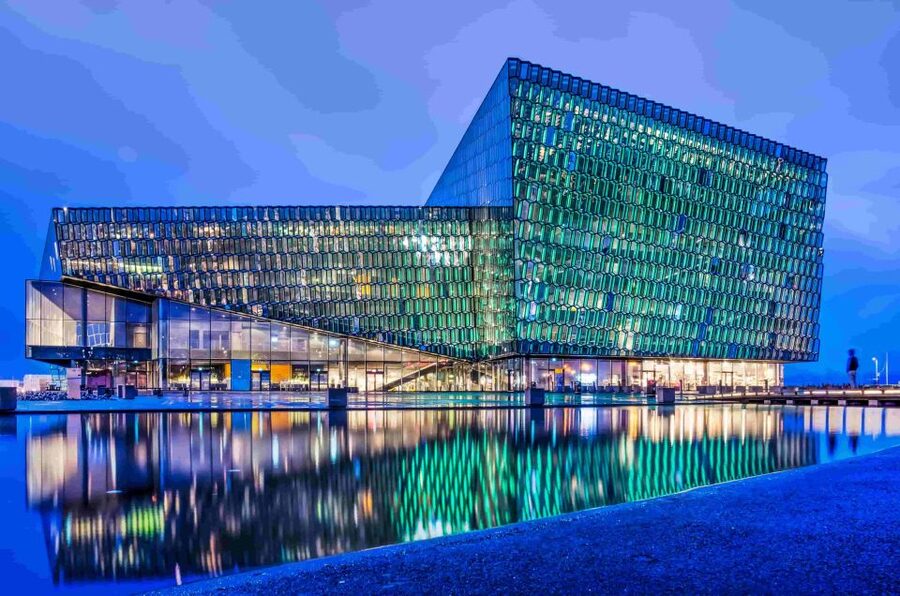
After Hallgrímskirkja, the tour heads to Harpa. You’ll stop for photos, then get guided time and sightseeing. Harpa is one of those buildings where you can understand the design idea without needing technical training.
The guide specifically points to Harpa’s distinctive glass facade and how it resembles Iceland’s basalt columns. That connection is smart, because it ties a modern material look back to something deeply Icelandic. So Harpa doesn’t feel like an imported design trend. It feels like a local interpretation using today’s tools.
In terms of “what to do” during this stop, you’ll get time to look at reflections and angles, and the guide’s framing helps you see why the structure looks the way it does. If you’ve ever wondered how a city like Reykjavik can still feel tied to nature while building in glass and steel, this stop answers that question quickly.
What makes the tour worth $355 per person
At $355 per person for a 3-hour private experience, the price can feel steep at first glance. But this isn’t a large-group pass where you get a shared audio track and a brief stop at a famous building. You’re paying for three things you can actually feel during the tour: private pacing, focused instruction, and specialized architecture content.
You also get a tangible perk: a drink is included, either wine, beer, schnapps, or great coffee. That sounds small, but in practice it adds comfort and gives you a natural moment to pause and reset during a cold-weather city walk.
Your guide is described as local, fun-loving, and from Your Friend in Reykjavik, and the experience is clearly meant to be interactive. A prepared guide can make the difference between “cool buildings” and “I finally understand why they look like that.”
Balance check: because it’s architecture-focused, it’s best value for people who want context. If your priority is nightlife, food, or general city roaming, you might find a more wide-ranging tour makes better sense.
Private guide style, languages, and the one service snag
This tour is private, so you’re not competing with a crowd for attention at each stop. That matters at Hallgrímskirkja and Harpa, where you’ll get the most benefit from guided explanation rather than just walking past.
Language options include English, French, German, Icelandic, Italian, and Spanish. So no matter who you’re traveling with, you should be able to match the guide’s language to your comfort level.
One drawback to flag from real-world experience: I would not count on WhatsApp support for accurate last-minute answers. One booking highlighted that the WhatsApp assistance was ineffective at providing correct information. If you need precise help, plan on using more direct communication channels.
Also, because you are outdoors for three hours, plan around weather. Bring appropriate layers and protect your hands and face.
How to dress and plan so the walk stays fun
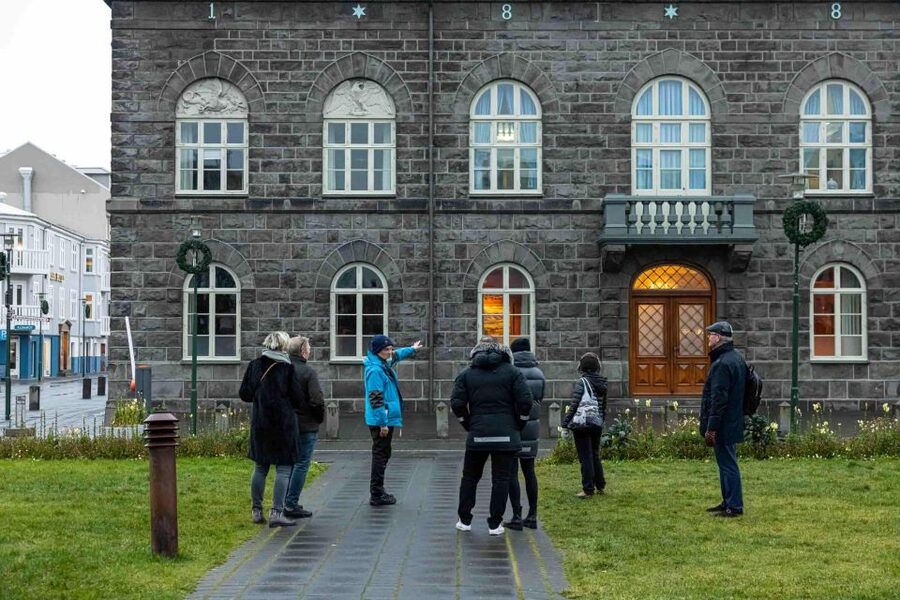
The tour gives one clear instruction: dress according to Icelandic weather. That’s not just a formality. Reykjavik can be windy, and you’ll be outside enough to feel it.
I suggest dressing in layers so you can regulate temperature as you move between indoor and outdoor moments. Wear weather-appropriate outerwear, warm socks, and shoes with grip. If you’re the type who hates stopping to adjust clothes in the cold, come prepared so your tour time stays focused on the architecture.
The route is designed for walking within central Reykjavik, but it’s still a lot to do in one go. If you’re sensitive to cold, pack a small thermos or extra warm item just for comfort, even though you already get a drink on the tour.
Should you book this Reykjavik architecture walking tour?
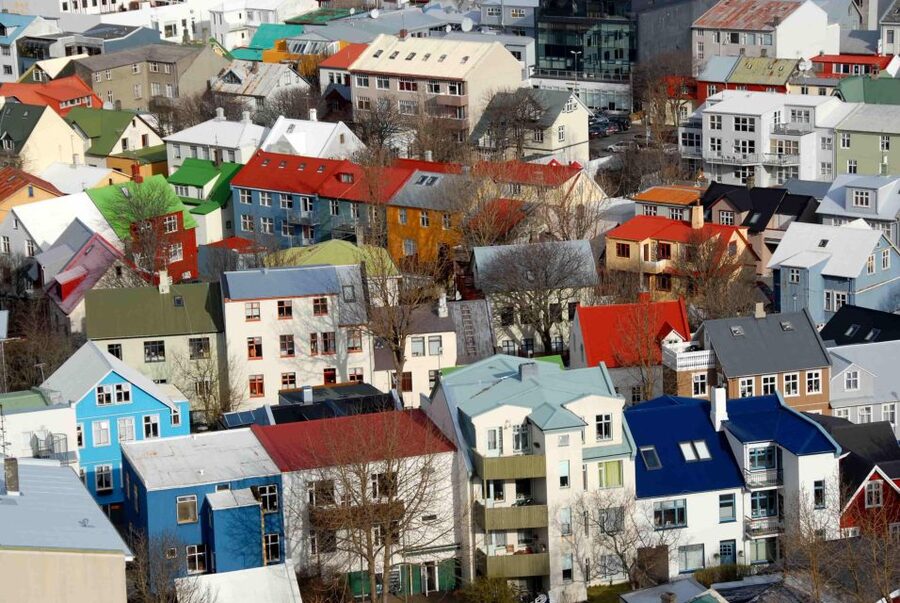
Book it if you want Reykjavik with context. I think this is a strong choice when you like connecting design to real life, especially when the tour explains how buildings respond to cold, wind, limited materials, and cultural shifts. The combination of architecture history plus guided visits to Hallgrímskirkja and Harpa makes it easy to leave with more than photos.
Skip it, or pair it with something more general, if your main goal is casual city wandering, food stops, or big sightseeing with minimal structure. This one is specialized, and that focus is the whole point.
If you do book, go in ready to look closely. When you understand why turf houses existed, modernism starts to make sense. And when you stand in front of Harpa’s glass, you’ll catch the basalt-column idea the guide wants you to see.
FAQ
Where is the meeting point for the tour?
You meet outside Hlöllabátar the Sandwich Shop, facing Ingólfstorg Square and the two tall stone pillars. CenterHotel Plaza is to your right, and there are benches, tables, and a covered ceiling to wait.
How long does the private walking tour last?
The tour lasts about 3 hours.
Is this tour private or shared?
It’s a private group tour.
What is included in the tour price?
A glass of wine, beer, schnapps, or simply great coffee is included, along with a fun-loving local guide and a visit to Hallgrímskirkja Church.
Do you visit Hallgrímskirkja during the tour?
Yes. The tour includes a visit to Hallgrímskirkja Church.
What languages are available for the live guide?
The tour offers live guidance in English, French, German, Icelandic, Italian, and Spanish.
What should I bring or wear?
Wear weather-appropriate clothing, since Reykjavik conditions can be changeable.
Can the guide pick you up from your hotel?
Yes, they can pick you up from your hotel if it is within walking distance of the city centre.
What are the cancellation and payment options?
You can cancel up to 24 hours in advance for a full refund. You can also reserve now and pay later to keep your plans flexible.
Just listed out of Reykjavik


Walking Tours, compared.

Reykjavik Food Walk – Local Foodie Adventure in Iceland
Read our review →
Reykjavík Small group Walking Tour – by CityWalk
Read our review →
Reykjavik Walking Tour – Walk with a Viking
Read our review →
Reykjavik Folklore Walking Tour: Meet the Elves, Trolls & Ghosts of Iceland
Read our review →


Funky History Walking Tour in Reykjavik – With local storyteller
Read our review →More days of this kind out of Reykjavík