
Reviewed · LANDMANNALAUGAR TOURS
Iceland Hidden Trails of Fjallabak and Vatnajokull
Highland Iceland without crowds feels rare. This 10 day trek takes you through Fjallabak and into Vatnajökull National Park country, where days are long, skies change fast, and the big views feel earned.
I love how the route mixes geology you can actually walk on, from lava fields to glacier fed lakes, with human scale comfort like mountain hut nights that are kept clean and well managed. I also like the steady rhythm of real trekking days plus a couple of big payoff viewpoint climbs, not just a sightseeing drive.
The main drawback is straightforward: this is not a sit and snap photos tour. You need moderate physical fitness, and you should expect weather to matter a lot in the highlands.
In This Review
- Key things to know before you go
- Starting in Reykjavík, then trading crowds for highland quiet
- The trek style: moderate fitness, hut nights, and weather reality
- Day 2: Golden Circle to Landmannalaugar, the colors arrive early
- Day 3: Landmannalaugar to Lake Álftavatn, obsidian and surreal ground
- Day 4: Álftavatn to Strútur Hut, Mælifellssandur’s black sand stretch
- Day 5: Strútur Hut to Álftavatnskrókur Hut, rivers and the green hill break
- Day 6: Álftavatnskrókur to Skælingar Hut, Eldgjá Fire Canyon
- Day 7: Skælingar Hut to Sveinstindur Hut, Lake Langisjór appears
- Day 8: Peak Sveinstindur and panoramic payoff over Langisjór
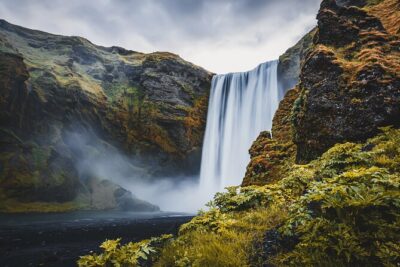
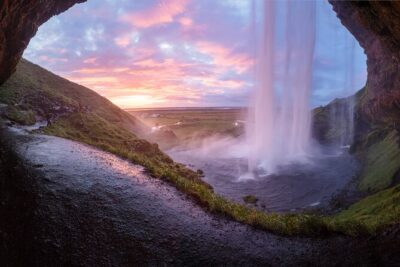
- Day 9: South Coast finish with Skógarfoss and Seljalandsfoss
- Day 10: Back to Reykjavík, with time to breathe before departure
- Pickup, private transport, and meals you do not have to plan
- Price and value: what $6,592.40 covers, and what it doesn’t
- What to pack for Fjallabak and Vatnajökull highlands
- Who should book this trek, and who might want a different Iceland plan
- Should you book Hidden Trails of Fjallabak and Vatnajökull?
- FAQ
- How long is the Iceland Hidden Trails of Fjallabak and Vatnajökull tour?
- Where does the tour start?
- Is pickup offered?
- What meals are included?
- What fitness level is recommended?
- What happens if the weather is poor?
Key things to know before you go
- Small group size (max 14) keeps the trek feeling personal and manageable.
- Mountain hut stays are part of the plan, with clean, well run facilities.
- Volcanic terrain all week, from obsidian lava to the black sand of Mælifellssandur.
- Canyon day in Eldgjá Fire Canyon, one of the world’s largest volcanic canyons.
- Viewpoint climbs include Peak Sveinstindur, with the trip concept built around panoramas like Gjátindur too.
More runs into Landmannalaugar:
- From Reykjavík: Landmannalaugar Day Hike
★ 4.7 · 662 reviews - From Reykjavik: Landmannalaugar & Háifoss Waterfall Tour
★ 4.8 · 314 reviews - Adventure in Landmannalaugar and Hot Springs – Reykjavík & Hella
★ 5.0 · 179 reviews
Starting in Reykjavík, then trading crowds for highland quiet
You land in Reykjavík, the northern capital with real city energy, then you quickly switch gears. You get transferred to your hotel, meet your guide and fellow adventurers, and settle into the plan with a briefing before the trekking stretches begin.
What I like about this kind of start is that it sets expectations early. High country travel is partly logistics and partly psychology. When you get your orientation up front, you spend later days focused on walking, moving well, and enjoying the scenery instead of guessing what comes next.
The trek style: moderate fitness, hut nights, and weather reality
This trip is built around hiking between remote huts, not around short nature walks. The daily pace can be demanding because you are crossing lava terrain, black sands, rivers, and stretches of rough ground that can feel slower than they look on a map.
The flip side is that hut trekking makes the experience practical. You are not carrying everything for multi day camping, and you get a real place to rest and reset each evening. That matters because the highlands can drain energy even when the weather is clear.
Weather is the other big factor. The tour notes that it requires good weather. Translation: if conditions are poor, you will either switch dates or get a full refund, so don’t plan this as the one trip that must happen on one exact day.
Day 2: Golden Circle to Landmannalaugar, the colors arrive early
The adventure officially kicks off on day 2 with a drive along the Golden Circle route. The day includes a stop at Thingvellir National Park, a UNESCO site, before you continue toward Landmannalaugar.
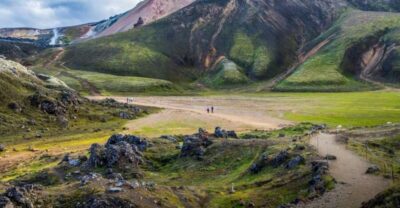
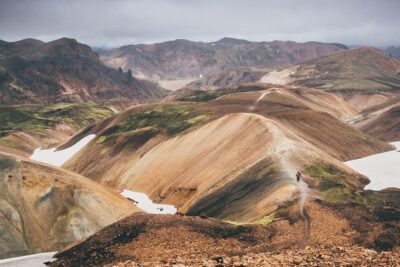
Landmannalaugar is where Iceland’s attitude shows up. Even before you start the big trekking days, you get that mix of rugged relief and volcanic colors that makes people fall in love with this country. It also gives you a gentle transition from city comfort to highland travel, since the terrain there is visually loud but usually accessible enough to read the landscape quickly.
Day 3: Landmannalaugar to Lake Álftavatn, obsidian and surreal ground
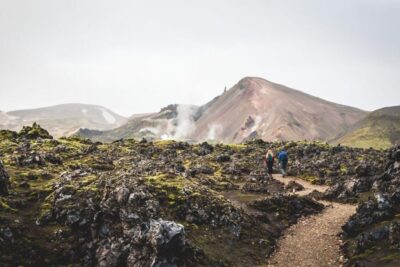
On day 3, your trek begins through the Laugahraun lava fields, created by volcanic activity centuries ago. Expect a terrain that feels otherworldly, with black rock and volcanic textures you do not get on gentler trails.
You are not just walking on a scenic path here. You are moving across the aftermath of Iceland’s internal engine, so the ground underfoot is part of the story. It is a day that helps you understand why this region earns the reputation for looking like it belongs on another planet.
Lake Álftavatn adds a different kind of mood. Water in Iceland’s highlands often feels quiet and cold at the same time. You get a break from the harshest rock surfaces, and the lake setting helps you settle into the pace of hut nights and steady trekking.
If the forecast turns, these leave Reykjavik as well:
- Reykjavik: Golden Circle Full-Day Tour with Kerid Crater★ 4.8 · 24,485 reviews
- Reykjavik Food Walk – Local Foodie Adventure in Iceland★ 5.0 · 18,952 reviews
- From Reykjavik: Northern Lights Bus Tour with Hot Cocoa★ 4.3 · 13,947 reviews
- Reykjavík: South Coast Waterfalls, Black Sand & Glacier Tour★ 4.8 · 11,030 reviews
- Reykjavík: Whale Watching and Marine Life Cruise★ 4.6 · 9,838 reviews
Day 4: Álftavatn to Strútur Hut, Mælifellssandur’s black sand stretch
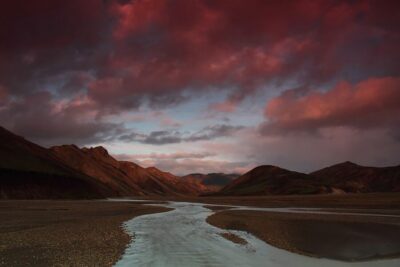
Day 4 moves deeper into the highlands and trades the lake backdrop for the Mælifellssandur desert, a vast stretch of black sand. This is one of those days where the challenge is mental as much as physical, because the terrain can look endless.
The practical takeaway for you: bring your patience and manage your effort. Long sand stretches can wear you out even when the elevation seems manageable. If you keep a consistent stride and hydrate steadily, you will arrive feeling tired in a good way, not wrecked.
You end at Strútur Hut, which acts like a checkpoint for your energy. Hut trekking works best when you think in segments, not in moods. Once you know where you are sleeping, it becomes easier to keep going.
Day 5: Strútur Hut to Álftavatnskrókur Hut, rivers and the green hill break
Day 5 is a shift. You leave the desert feeling behind and move through green hills and over rivers. That change in footing and ground texture matters because it prevents the trek from becoming one long grind.
Then you arrive at Álftavatnskrókur Hut, which places you back in the rhythm of highland travel. Over a week, hut stops turn into anchors. They help you plan meals, dry gear, and your next morning routine without turning every evening into a new survival project.
Day 6: Álftavatnskrókur to Skælingar Hut, Eldgjá Fire Canyon
This is a standout day because you pass through Eldgjá Canyon, described as the largest volcanic canyon in the world. Eldgjá, meaning Fire Canyon, is the kind of geological feature that makes you slow down without even trying. The cliffs and the sheer scale are the point, and the name fits what you see.
The day also includes a sense of movement through the canyon world, ending at Skælingar Hut. You do not need to be a geology nerd to appreciate it. You just need good boots, steady footing, and a willingness to look up when the trail asks you to keep walking.
If you get even a brief opening in the weather, this is the day to soak in it. Canyon light can shift fast, and the cliffs can look completely different within an hour.
Day 7: Skælingar Hut to Sveinstindur Hut, Lake Langisjór appears
After the big volcanic canyon day, day 7 turns toward water and space. Your route continues through volcanic country toward the foot of Lake Langisjór, one of Iceland’s largest and presented here as extremely pristine.
Langisjór is fed by glacial water, so it brings that distinct Iceland feeling of clean, cold clarity. Even when clouds roll in, the lake can act like a visual reset. Your eyes stop chasing textures and start reading distance.
You end at Sveinstindur Hut, positioning you for an early climb next day. That means your evening routine should be practical: eat well, manage your layers, and get sleep. The payoff is better when your legs are fresh.
Day 8: Peak Sveinstindur and panoramic payoff over Langisjór
Day 8 starts with an early morning ascent of Peak Sveinstindur. This is the kind of climb that is as much about time management as it is about effort, because you want to reach the top when conditions are at their best.
From the top, you get panoramic views of Lake Langisjór and the surrounding highlands. This is where the whole trek clicks together in one frame. You can see how lava fields, sandy stretches, and canyon walls connect across the week, and you realize you have been walking through a single giant system, not random sightseeing stops.
The trek concept also highlights panoramas like Gjátindur, which tells you this is a trip built for people who enjoy climbing when the weather allows. If conditions turn, your guide will keep you safe. But if you get a clear morning, this viewpoint is the kind of moment you remember long after your photos load.
Day 9: South Coast finish with Skógarfoss and Seljalandsfoss
You get a change of pace on day 9. After breakfast, you head along the South Coast, trading highland huts for waterfall energy.
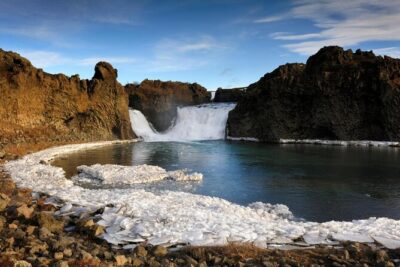
You visit Skógarfoss, a 60 meter waterfall, and Seljalandsfoss. Even though this part is more classic Iceland, it is a satisfying end after a week of trekking. Your body gets movement without the constant uphill grind, and you get those big Iceland visuals that make people stop mid conversation.
This day is also smart emotionally. You go from remote to reachable, so the transition back to normal travel feels doable.
Day 10: Back to Reykjavík, with time to breathe before departure
On the final day, you enjoy a leisurely breakfast in the normal rhythm, then self check out your hotel. If you want extra time, you can store luggage with reception to explore Reykjavík before you depart.
This matters more than it sounds. After days of organized hikes and hut schedules, a little freedom in the last hours can feel like a gift. You can choose to do something simple, like a walk through town and a calm meal, instead of rushing to fit everything in.
Pickup, private transport, and meals you do not have to plan
The trip includes private transportation and pickup offered, which is a major value point for Iceland. Remote trekking options can get messy if you have to coordinate transfers yourself. Here, you avoid that stress and spend your energy on your feet and your comfort.
Food is also handled for you. Breakfast, lunch, and dinner are included, which makes a real difference on trek days. It reduces decision fatigue and helps you keep a steady energy intake, which is huge when the terrain is tough.
Price and value: what $6,592.40 covers, and what it doesn’t
At $6,592.40 per person, this is not a cheap Iceland vacation. But the price is closer to what you would pay for a full guided expedition than for a standard tour, because you are paying for guide leadership, private transport, and daily meals built around remote logistics.
Also, your time is mostly active outdoors for 10 days, not just being driven between stops. That length matters for value. You are getting multiple distinct highland environments, from lava fields to deserts and canyon terrain, plus climbing days and a South Coast waterfall day at the end.
What is not included is the stuff you should always price separately: travel insurance and international flights. If you are already planning those, the total trip cost becomes more reasonable. If you are not, add them early so you do not get surprised later.
What to pack for Fjallabak and Vatnajökull highlands
The data you were given keeps the focus on moderate fitness and a hut based trek, which means you should pack for cold, wet weather and long walking days rather than for camping gear.
Start with layers you can adjust quickly, because Iceland weather often changes by the hour. Bring hiking boots you already trust, plus rain protection that actually covers you well when wind picks up. In the highlands, good weather can turn quickly, and you will want gear that keeps your temperature stable.
Because meals are included, you do not need to pack a ton of food, but you should still have a plan for water and snacks during the day. Your guide will help you with routine, but you are the one feeling the pace in your legs.
Who should book this trek, and who might want a different Iceland plan
This tour fits you best if you want a serious walk in Iceland and you enjoy being out in remote terrain for multiple days. The maximum 14 travelers helps keep the experience calm, and the hut system makes it more comfortable than rough camping.
You might want a different option if you want mostly easy flat walking or if climbing viewpoints on early mornings is not your thing. This is not billed as a beginner hike, and the trip calls for moderate physical fitness.
It also suits solo travelers who like the outdoors vibe, since meeting a small group is part of the structure. And it suits anyone who wants the cultural and local guiding angle, because the experience is framed around local highland knowledge, not just route maps.
Should you book Hidden Trails of Fjallabak and Vatnajökull?
If your dream Iceland includes volcanic terrain you can walk across, big canyon walls like Eldgjá, and viewpoint time on mornings when the light is right, I think this is a strong match. The combination of hut comfort, included meals, and private transport adds up to real value for a remote itinerary.
I would only hesitate if your schedule is strict to one exact date, because the tour depends on good weather. If your flexibility is good and your fitness is moderate, you are set up for a memorable highlands experience that feels way less like a drive by and much more like a real journey across Iceland’s engine room.
FAQ
How long is the Iceland Hidden Trails of Fjallabak and Vatnajökull tour?
It’s listed as 10 days approximately.
Where does the tour start?
It starts with arrival in Reykjavík, with a transfer to your hotel and time to meet your guide and fellow adventurers.
Is pickup offered?
Yes, pickup is offered.
What meals are included?
Breakfast, lunch, and dinner are included.
What fitness level is recommended?
The tour states that travelers should have a moderate physical fitness level.
What happens if the weather is poor?
The experience requires good weather. If it is canceled due to poor weather, you will be offered a different date or a full refund.
Just listed out of Reykjavik
Landmannalaugar Tours, compared.
Adventure in Landmannalaugar and Hot Springs – Reykjavík & Hella
Read our review →
Landmannalaugar Hike and Hot Springs from Reykjavik & Hella
Read our review →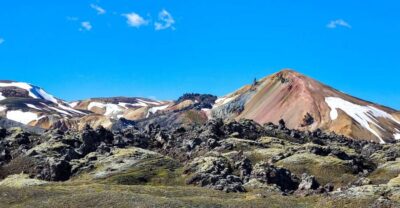
Landmannalaugar Hike & the Valley of Tears from RVK & Selfoss
Read our review →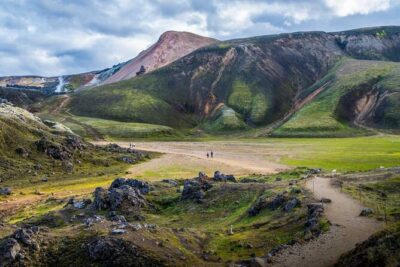
Landmannalaugar Hiking, Haifoss Waterfall and Hot Springs Tour
Read our review →More days of this kind out of Reykjavík