
Reviewed · NORTHERN LIGHTS TOURS
From Reykjavik: Golden Circle and Northern Lights Tour
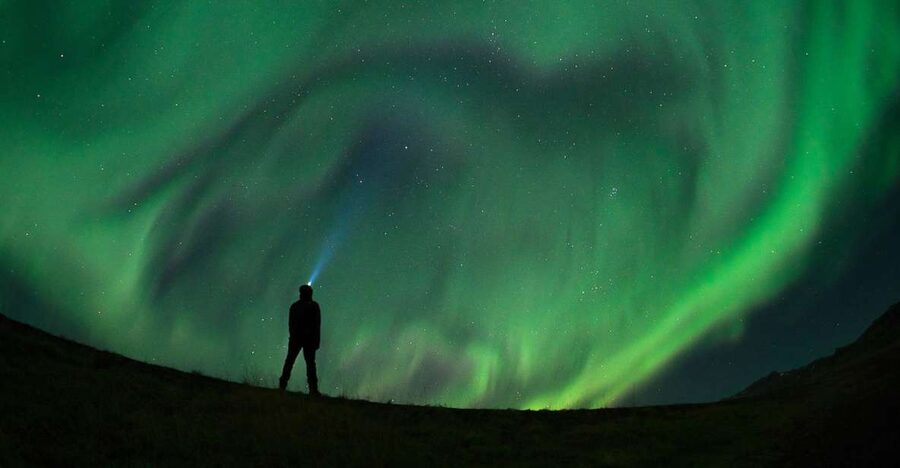
Two big Iceland moments in one schedule. This combo tour strings together Golden Circle icons in the day, then switches gears to chase the Northern Lights by night, guided by a specially trained team and supported with camera setup help.
I especially like how the day is built around the classics, not random photo stops, with real time at Þingvellir, Geysir, and Gullfoss. I also like the practical Northern Lights side, where you get instructions for your camera, plus real guidance on when to wait and when to adjust your plan (one guide team called out PJ and Lauren for keeping things upbeat and organized).
One heads-up: the night portion is often run as a large group coach outing, so the aurora can feel more like a dedicated viewing stop than a constant, moving chase. If you want lots of hopping between viewpoints, you may prefer a smaller mini-bus style tour for the evening.
In This Review
- Key points worth knowing before you go
- The big picture: why this Reykjavik day plus night combo makes sense
- Golden Circle core: Þingvellir and the tectonic drama you can walk on
- Geysir geothermal area: timing, steam, and why Stókkur grabs attention
- Gullfoss waterfall: the 32-meter drop that punches through the cold air
- The Reykjavik pause: where you can eat, warm up, and reset
- Northern Lights hunting: timing windows and what the guide really does
- What it feels like on the ground: coach group dynamics vs chasing
- Dressing for success: cold weather is the main character
- Comfort on board: Wi-Fi, USB charging, and audio guide reality
- Guides and the vibe: how human energy changes the day
- Price and value: what you’re getting for $153
- Who should book this tour, and who might want a different setup
- My booking advice: should you go for it?
- FAQ
- How long is the Golden Circle and Northern Lights tour?
- Where does the tour start from?
- Is hotel pickup included?
- What stops are included during the day?
- What time does the Northern Lights portion run in winter?
- Do I get help setting up my camera?
- What should I bring for the Northern Lights portion?
Key points worth knowing before you go
- Þingvellir’s rift walk shows how the North American and Eurasian plates are being pulled apart.
- Geysir geothermal area gives you the chance to see Stókkur erupt, plus time to reset with a break.
- Gullfoss waterfall drops about 32 meters into a canyon, loud enough that you notice it even before you see it clearly.
- A specially trained Northern Lights guide runs the night hunt and coaches camera setup.
- Weather controls the show for the aurora, so you are planning for chances, not guarantees.
- Coach comfort features include Wi-Fi and a USB charger at each seat, plus an app-based multilingual audio guide.
Other nights out under the aurora:
- From Reykjavik: Northern Lights Bus Tour with Hot Cocoa
★ 4.3 · 13,947 reviews - Small-Group Premium Northern Lights Tour from Reykjavik
★ 4.4 · 2,977 reviews - #1 Northern Lights Tour In Iceland from Reykjavik with PRO photos
★ 4.5 · 2,887 reviews
The big picture: why this Reykjavik day plus night combo makes sense
This is a sensible way to see the Golden Circle and the aurora without renting a car or playing logistics Tetris between separate tours. You get a full day of famous stops, then a night window where your chances improve because you are following a guide who knows where and how to look.
At about $153 per person for a 9-hour outing, the value comes from what is included: a local guide for the Golden Circle, a specially trained Northern Lights guide, plus instruction for setting up your camera. It is not just transport, it is the thinking part. And in Iceland, the thinking part matters.
One other reason I like this format is that it fits real travel rhythms. You do the daylight wow, then you get time in Reykjavik before the aurora hunt, so you can eat, warm up, and reset your gear.
Golden Circle core: Þingvellir and the tectonic drama you can walk on
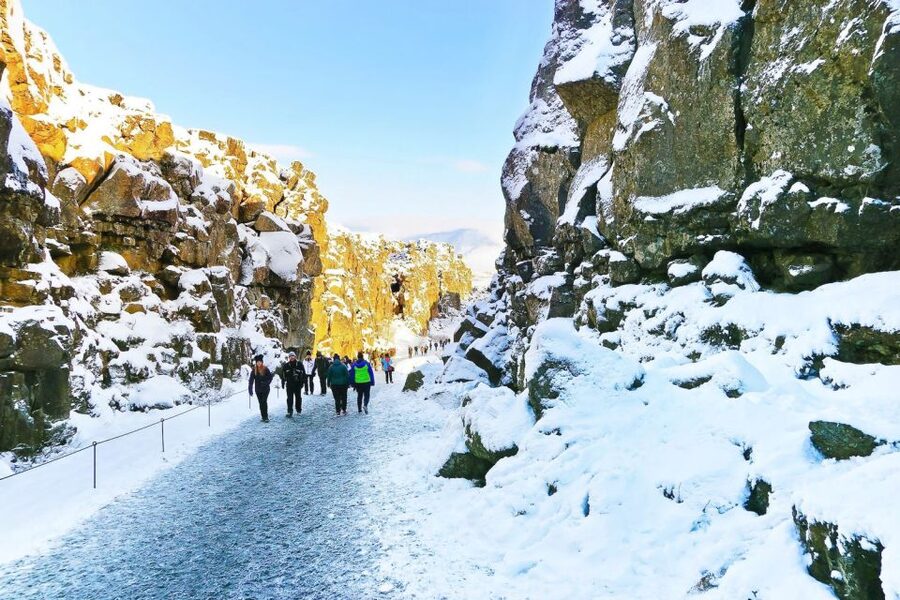
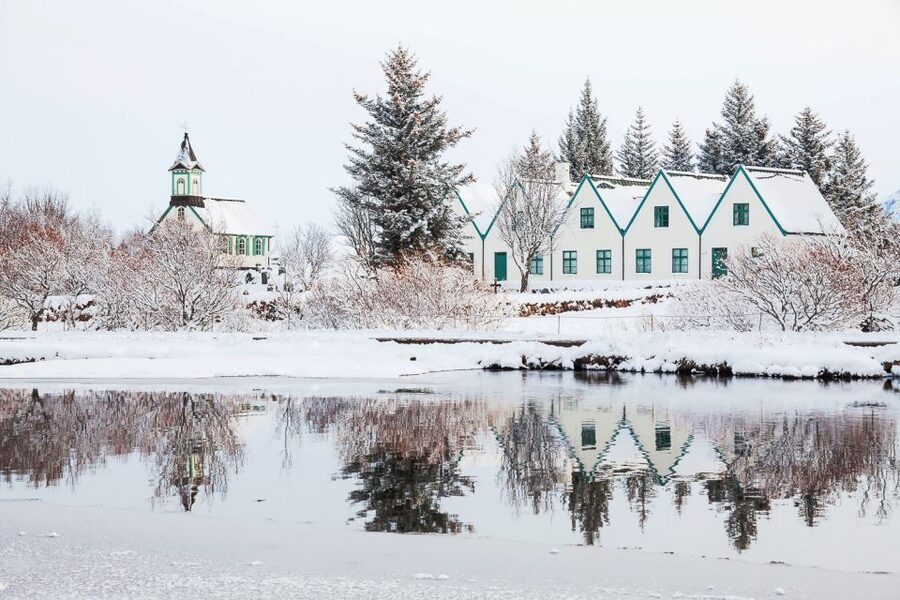
Þingvellir National Park is the kind of place that makes maps feel more real. You do a photo stop and sightseeing there (about 45 minutes), and you get the bigger idea on the ground: this is where the North American and Eurasian plates are pulling apart.
You are not just standing at a viewpoint. You’re walking in a setting with visible earth history, including the tectonic rift area. That adds a grounding layer that feels different from waterfalls and steam vents.
The best practical move here is to dress for wind and wet ground. Even when the sky looks calm, Þingvellir can feel exposed. Wear shoes you trust, and expect the ground to be slick if it has rained or snowed earlier.
Geysir geothermal area: timing, steam, and why Stókkur grabs attention
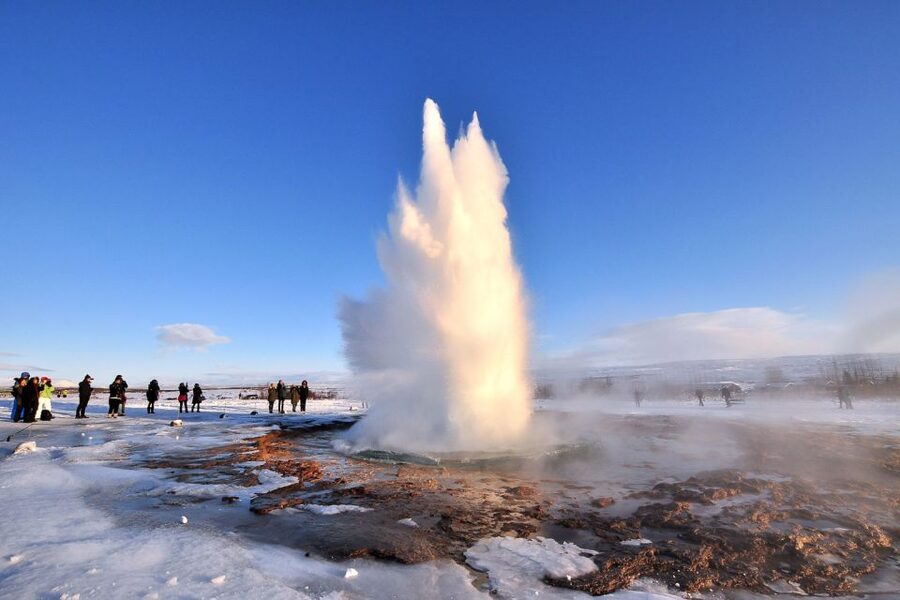
Next up is the Geysir geothermal zone. You get a photo stop and sightseeing for around an hour, plus a break built in. This is a great place to refuel your hands and brain after Þingvellir, because your senses start tuning in to steam, sulfur smells, and the rhythm of geothermal activity.
The highlight is Stókkur erupting. You might see it pop on a regular cadence, and when it goes, the reaction in the group is immediate. It is one of those moments where photos look good, but the real proof is hearing the burst and seeing the spray rise in real time.
There’s also a practical reason this stop works well in a combo tour: you get time to warm up, use facilities, and grab snacks if you want. If your stomach runs on Icelandic timing, this built-in break helps.
Gullfoss waterfall: the 32-meter drop that punches through the cold air
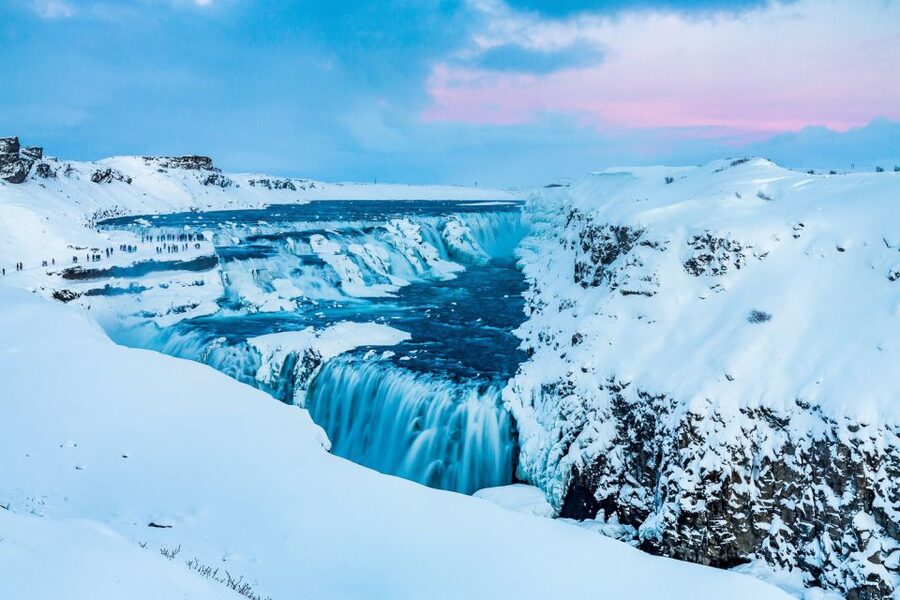
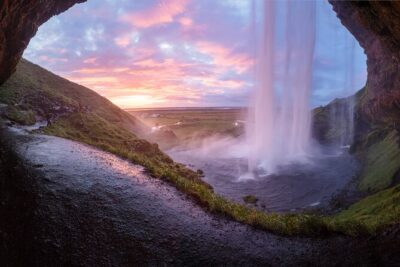
Then comes Gullfoss. You get about an hour there, with time for photos and sightseeing. The big detail that makes this stop feel epic is the drop: a glacial river thunders about 32 meters into a canyon.
Even if you’ve seen waterfall photos before, Gullfoss changes the scale in person. The mist, the constant roar, and the way the canyon shapes the sound make it feel bigger than the numbers.
The drawback to plan around is how close you can feel to the spray. Bring a waterproof outer layer that you are comfortable standing in wind with. If you’re trying to shoot photos, use gloves you can still operate with, because cold fingers turn camera controls into guesswork.
More Golden Circle loops from Reykjavik:
- Reykjavik: Golden Circle Full-Day Tour with Kerid Crater★ 4.8 · 24,485 reviews
- From Reykjavik: Golden Circle, Kerid, & Secret Lagoon Tour★ 4.8 · 6,009 reviews
- Small-Group Golden Circle, Blue Lagoon with Ticket & Kerid Crater★ 5.0 · 5,631 reviews
- Golden Circle Classic Day Tour from Reykjavik★ 4.5 · 5,195 reviews
- Golden Circle with Kerid Volcanic Crater Day Tour from Reykjavik★ 4.5 · 2,826 reviews
The Reykjavik pause: where you can eat, warm up, and reset
After the Golden Circle drive, you return to Reykjavik and get a stretch of free time, then a guided Reykjavik sightseeing slot (with a photo stop and about 3 hours for that portion). The tour structure also allows for a 3 to 6-hour break before the Northern Lights portion, so dinner is on the table.
I like this in theory and in practice because it gives you an actual buffer. Northern lights success depends on conditions, and you do not want to go into the night hunt hungry, tired, and underdressed.
Use this time strategically:
- Eat something warm and easy, and hydrate.
- Charge your phone or camera again if you can.
- Layer up and keep spare gloves. You do not want to discover you left them behind at 10 pm.
Also, if you are planning to use the app audio guide, check that your headphones are ready before you head out.
Northern Lights hunting: timing windows and what the guide really does
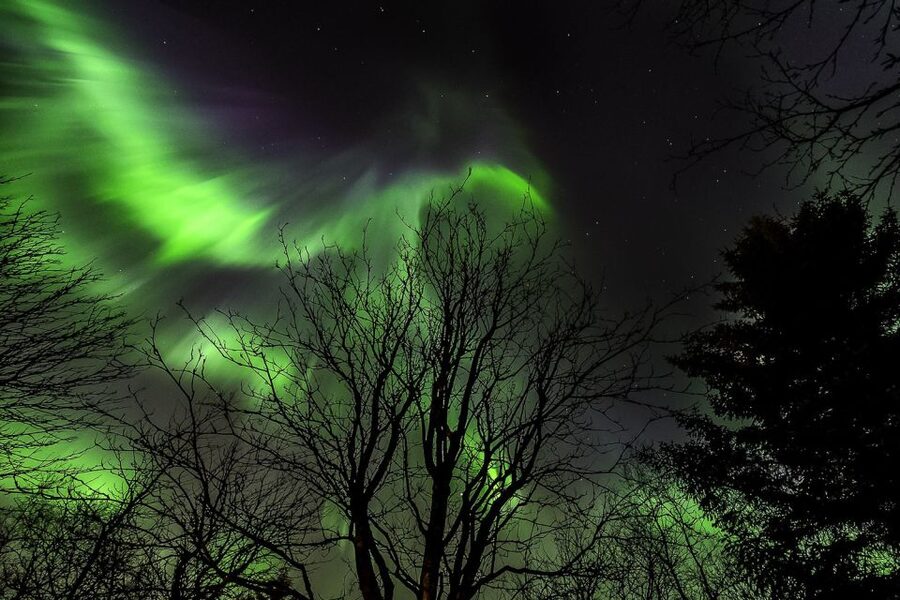
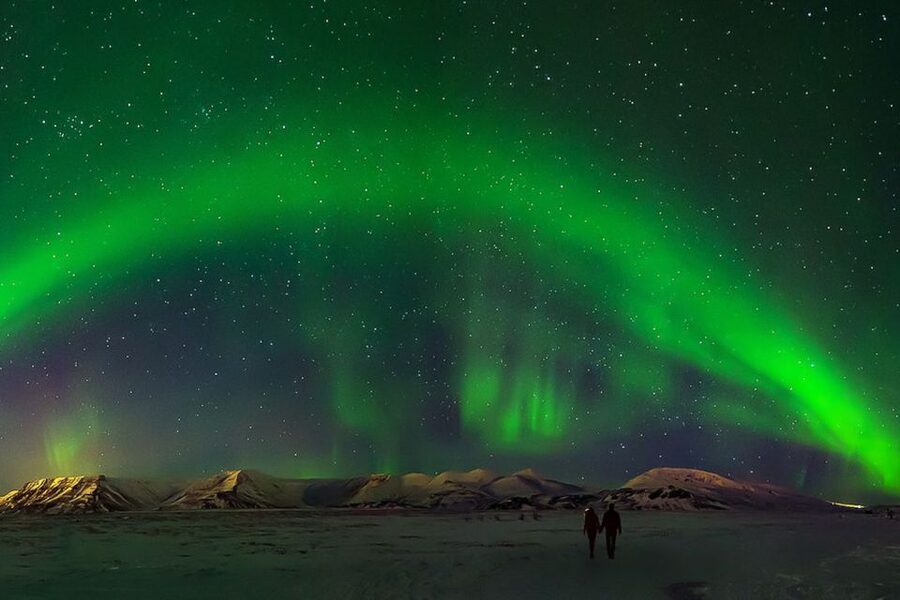
The aurora portion runs only in the winter season, and the evening time window depends on the date range. In winter, it operates roughly from 21:00 to 00:00 (1 October to 14 March), and on certain shoulder-season periods it shifts later, with the tour operating around 22:00 to 01:00 (25 August to 30 September, and 15 March to 15 April).
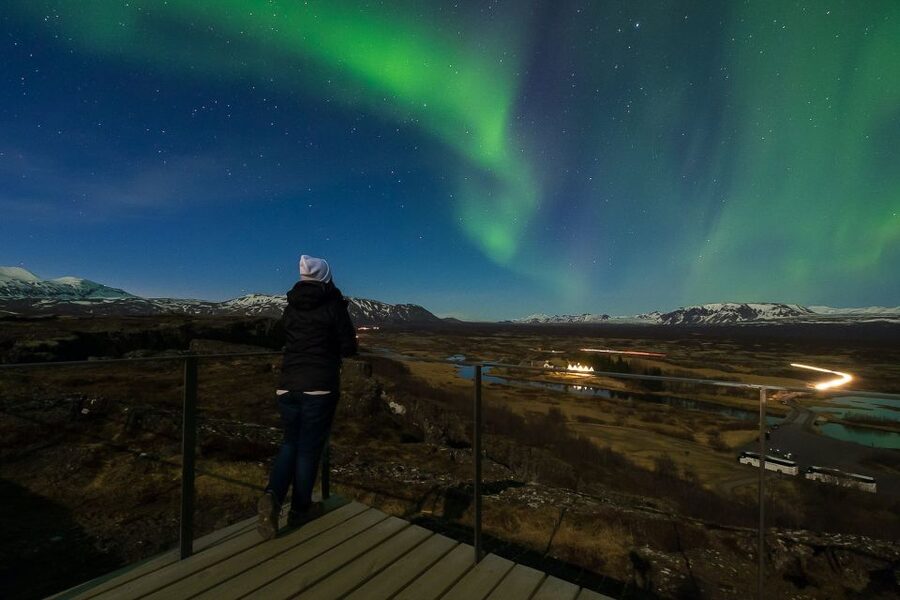
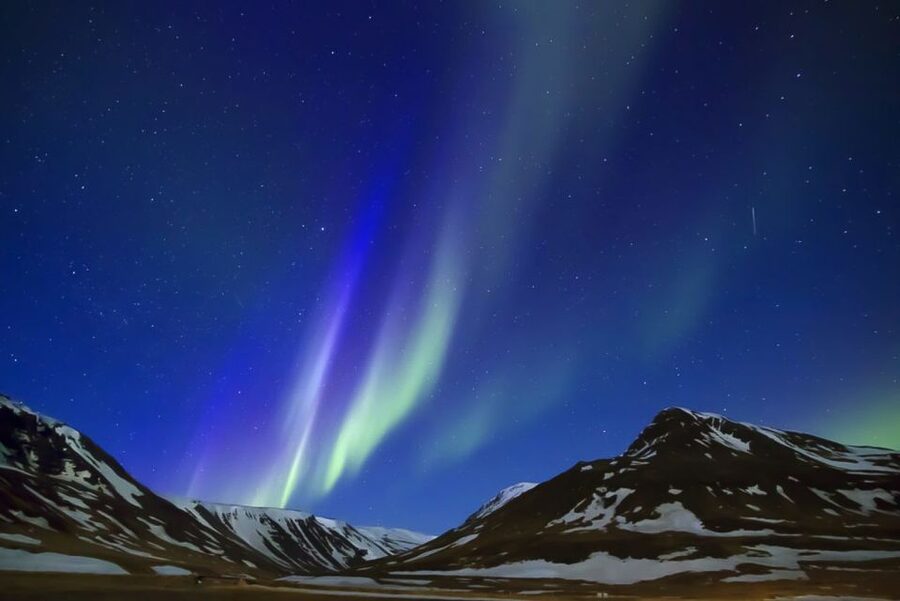
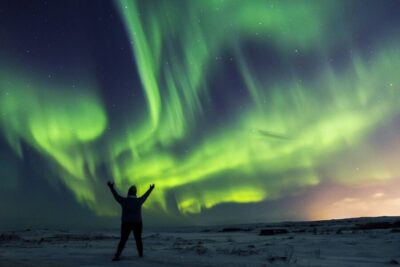
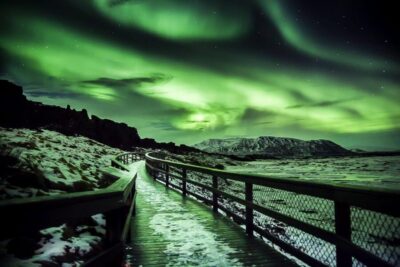
Your experience in the dark is shaped by two facts: cloud cover and darkness quality. The guide uses the weather forecast and visibility conditions to choose where to look, and you may sit and wait for aurora activity rather than constantly drive.
I’ve seen how that plays out in real life. Some nights start slowly, and guides keep people patient and focused on what to watch for. Other nights, the group can get an unexpected burst of action after a long wait, which is exactly when camera setup and calm instructions matter.
The guide is also there for your photos. You get instructions for how to set up your camera to capture the Northern Lights and night sky. One reason this feels valuable is that it saves you from learning camera settings while you are cold, tired, and watching lights change fast.
What it feels like on the ground: coach group dynamics vs chasing
Here’s the trade-off with this combo tour: it tends to run as a coach-style group night outing. You can be together with a lot of people, and the plan may include standing in one main location for a few hours while the aurora either shows up or does not.
That is why some people in the reviews strongly preferred smaller mini-bus tours for the night portion. Smaller groups can roam more, which can help when one viewpoint is clouded or flat in visibility.
Still, coach nights have a major advantage: you get the planning muscle and the logistics simplicity. You are not negotiating roads in winter or trying to guess the best place to stop. If you want maximum chances without hassle, the coach plus trained guide approach can be exactly what you need.
Dressing for success: cold weather is the main character
This tour is heavily weather-dependent at night, so your gear is not optional.
You are strongly advised to wear warm, waterproof clothing because the weather can change quickly. Think waterproof jacket and pants, plus headwear and gloves. Good outdoor shoes matter too, because you are standing still in cold air, walking on uneven ground, and moving between bus stops.
If you’re also serious about photos, dress for comfort at minute 90, not just minute 10. A lot of aurora seekers fall apart when their hands go numb or their jacket gets damp. Keep a spare layer if you have room, and keep your camera controls accessible without exposing your skin.
Comfort on board: Wi-Fi, USB charging, and audio guide reality
This is one of the more comfort-friendly big-coach setups. Each seat includes Wi-Fi and a USB charger, which helps if you’re running low on battery after a long day. It also reduces the stress of keeping your phone alive for aurora tracking apps or navigation back to your hotel area.
There’s also an app-based multilingual audio guide. You can access multiple languages, and the audio guide is available through the app. One practical detail: the headphones are not included, so bring your own.
If you like context, this kind of audio adds value during the drive between stops. Even when you think you only want scenery, it helps to understand what you’re seeing, especially in Þingvellir.
Guides and the vibe: how human energy changes the day
The best part of any tour is the humans running it, and the feedback here is consistently about guides who keep things lively and well timed.
For example, guides like Karen and Christina have been described as engaging and organized, with storytelling and a strong sense of humor. PJ and Lauren have also been mentioned for giving clear structure and keeping the group in a good mood.
On the Northern Lights side, you’ll want a guide who can handle the emotional rollercoaster of waiting in the cold. The guides here are set up for that job. You get camera instructions, and you’re coached on what to do if the lights are slow, or if the forecast changes.
That matters because aurora nights can test patience. A guide who can make waiting feel purposeful turns a frustrating night into a memorable one even if the sky is stingy at first.
Price and value: what you’re getting for $153
Let’s talk value in plain terms.
You pay for two guided experiences in one day, not just a bus ride between landmarks. The Golden Circle side includes a local guide and real time at the three headline sites. The Northern Lights side includes a specially trained guide plus coaching for capturing the lights.
If you were thinking of booking Golden Circle and Northern Lights separately, you may find this combo is cheaper than splitting it into two tours. One person specifically called out that it worked out cheaper by about £30 per person compared with separate bookings. Your exact savings depend on dates and what else is available, but the logic holds: combo packaging is often the better deal.
The one cost you cannot control is weather. Aurora shows are not guaranteed, and sometimes the plan changes when clouds roll in. That means you should treat the Northern Lights hunt as a chance to see something magical, not a guaranteed ticket to the sky.
Who should book this tour, and who might want a different setup
This is a great fit if:
- You want the Golden Circle without driving.
- You’re visiting for a limited time and want the aurora add-on.
- You like having a guide handle timing and stop selection.
- You want camera coaching and a structured approach to nighttime viewing.
I’d consider a different setup if:
- You hate large groups for the night portion.
- You want a tour that actively moves through multiple viewpoints during the aurora window.
- You prefer a calmer, quieter feel with less commentary during the stops.
For many people, the best plan is to do the Golden Circle portion with the full guidance, then choose the Northern Lights part based on your tolerance for big-group coach logistics.
My booking advice: should you go for it?
I think you should book this tour if you want maximum “I did the classics” energy plus a serious attempt at aurora viewing. The included camera setup help, the trained Northern Lights guide, and the structured Golden Circle stops are the big reasons this combo works.
If you are going in winter, dress like you mean it. Cold can crush your enjoyment faster than any missed aurora. Also, give yourself a realistic mindset for the night portion. Sometimes you wait, sometimes you adjust, and sometimes the sky finally puts on a show.
If your dates are flexible, prioritize clearer nights and be ready for the plan to shift if clouds win. The value is highest when you treat the Northern Lights part as an active hunt with guidance, not a guaranteed performance.
FAQ
How long is the Golden Circle and Northern Lights tour?
The total duration is listed as 9 hours.
Where does the tour start from?
The meeting point is BSI Bus Terminal, and you should arrive at least 15 minutes before departure.
Is hotel pickup included?
Hotel pickup and drop-off are included only if you select the pickup option. Pickup is described as optional depending on your chosen option.
What stops are included during the day?
The day covers Þingvellir National Park, the Geysir geothermal area, and Gullfoss Waterfall.
What time does the Northern Lights portion run in winter?
In the winter months, it is operated from 21:00 to 00:00 (1 October to 14 March). Other date ranges have different time windows.
Do I get help setting up my camera?
Yes. The tour includes instructions for how to set up your camera to capture the Northern Lights and night sky.
What should I bring for the Northern Lights portion?
Bring warm, waterproof clothing, including a waterproof jacket and pants, headwear and gloves, plus good outdoor shoes. If you plan to use the audio guide, bring your own headphones.
Just listed out of Reykjavik
Northern Lights Tours, compared.
Small-Group Premium Northern Lights Tour from Reykjavik
Read our review →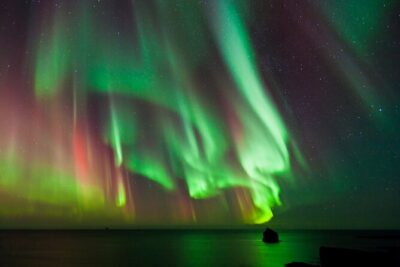
#1 Northern Lights Tour In Iceland from Reykjavik with PRO photos
Read our review →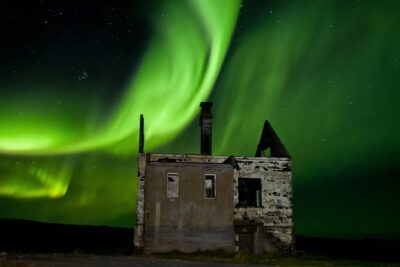
Northern Lights Small-Group Tour with Hot Chocolate & Photos
Read our review →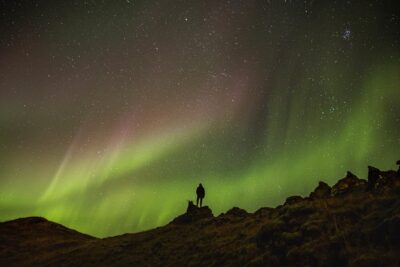
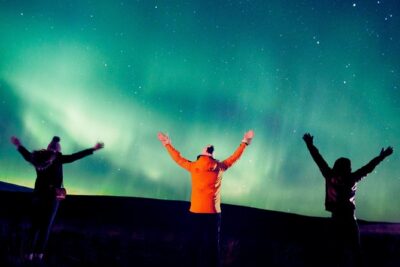
Northern Lights Bus Tour from Reykjavik with Hot Chocolate
Read our review →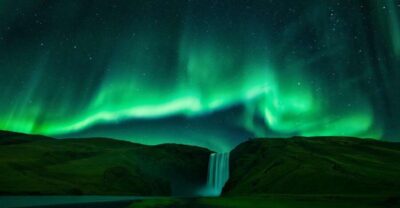
More days of this kind out of Reykjavík